Hotline: +6011-6287 8580



Hotline: +6011-6287 8580




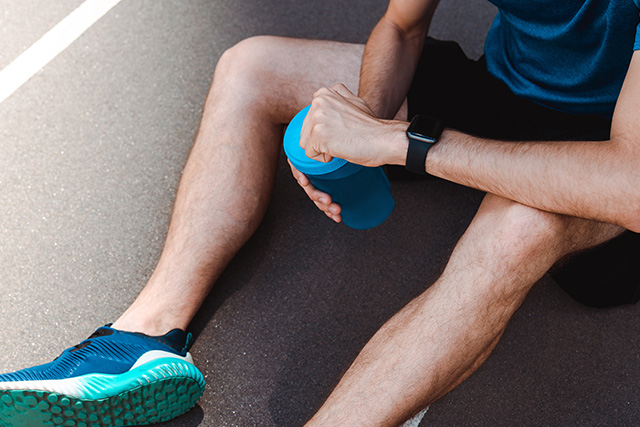
Sore after training? Learn why more fitness enthusiasts choose TCM cupping in Johor Bahru to support muscle recovery, and how to get the best results.
➡️ Post-Workout Soreness Is Common: Muscle soreness and tiredness are normal responses to exercise.
➡️ Rest Alone Can Be Slow: For people who train often, rest by itself may not be enough to keep up with the next session.
➡️ Cupping Supports Recovery: By promoting circulation and clearing the meridians, cupping helps the body recover.
➡️ Popular With Younger People: More young fitness enthusiasts are adding cupping to their recovery routine.
Are you a gym regular, a runner, or a weekend sports player? Whichever it is, you know the muscle soreness that follows a hard session. That aching, heavy feeling can last for days and get in the way of your next workout.
In the past, most people simply rested, stretched, and waited for the soreness to fade. Now, more young fitness enthusiasts are turning to a traditional TCM method: cupping. Many find it helps them feel better sooner and supports the body’s recovery.
This is not just a passing trend. It reflects a real shift in how people who exercise think about recovery. In this article, we explain why cupping suits sports recovery and why a traditional method is attracting younger people.
Muscles get sore after exercise because new or harder training creates tiny strains in the muscle fibres, and the body then repairs them. This repair process causes soreness and stiffness, which usually peaks one to three days after training and then fades gradually.
These small strains are normal and are part of how muscles get stronger. As the tissue repairs itself, you may feel achy, tight, and even a little weak.
The natural recovery process can be slow, especially for people who train often. If you work out several times a week, the next session may start before the last recovery is complete. Fatigue then builds up, the body does not fully recover, and training results can suffer.
This is a common problem for people who train regularly: how do you recover faster so you can train more often and more effectively? It is the main reason cupping has gained popularity in sports circles.
From a TCM perspective, cupping uses suction on the skin to improve local blood circulation and clear the meridians. Better circulation brings fresh blood to tired muscles, which supports the body’s natural recovery. Many people who exercise regularly notice less tightness, a wider range of movement, and less soreness afterward.
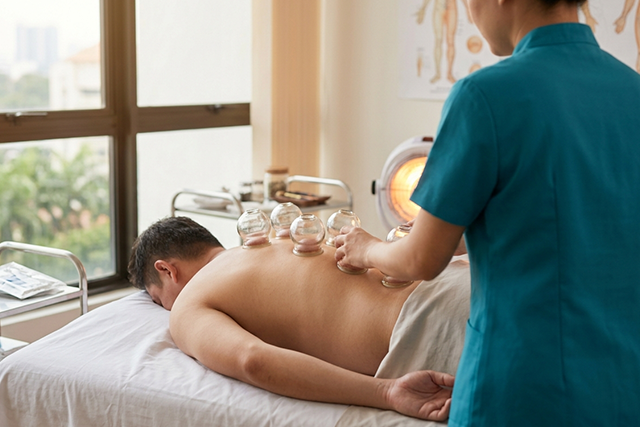
During TCM cupping, cups placed on the skin create gentle suction. This draws blood towards the area and supports circulation. Fresh blood carries oxygen and nutrients, which muscles need to recover. The marks you see afterward are seen in TCM as stagnation being brought to the surface, and they are a normal part of the process.
This circulation effect is especially helpful for tired muscles after training, when muscles are tight and blood flow is sluggish. Many of our patients tell us their muscles feel looser after cupping, their movement feels freer, and the soreness eases.
Cupping also helps clear blockages in the meridians. In TCM, fatigue from exercise reflects qi and blood not flowing smoothly. By easing these blockages, cupping helps qi and blood move again and supports the body’s own repair process.
Results differ from person to person. Many people feel some relief after a session, and cupping often works best when done early, soon after the soreness sets in. This is why both amateur and serious athletes are adding it to their recovery plans.
More young people are open to TCM cupping because they have felt the results themselves, learned from friends, and see recovery as part of training. Social media has also made cupping more visible, and TCM is now seen as a modern wellness tool rather than only a traditional remedy.
A decade ago, many young people would have said cupping was “too traditional”. Today it is very different. More young gym-goers, fitness fans, and even office workers are trying cupping to look after their bodies.
There are a few reasons. First, results speak for themselves. When you feel your soreness ease and your recovery improve, you stop doubting its value. Many young people try it after hearing a friend’s experience.
Second, modern life brings stress and heavy training loads, and young people now understand that recovery matters as much as the workout itself. A method that supports recovery naturally becomes attractive.
Third, social media has helped. When you see more people in fitness communities sharing their cupping experiences, curiosity follows. More people try it, more share their experience, and more newcomers join.
Finally, young people increasingly see that TCM is not only for older generations. It can be used as a modern health tool, and cupping is a good example. It combines traditional theory, practical results, and a gentle approach.
Cupping, massage, stretching, and heat or cold packs each suit different situations. Cupping works on circulation and the meridians, massage relaxes muscles by hand, and heat or cold packs ease discomfort for a short time. The best choice depends on your training and body, so a practitioner can advise.
There are many ways to recover after exercise, and they are not rivals. Heat or cold packs can ease the feeling of soreness for a short while. Massage relaxes tight muscles, though the effect depends on the person and the technique. Rest is a passive way to recover, while cupping is a proactive way to support the body’s recovery.
Cupping is popular with fitness enthusiasts because it is a gentle, practical option that does not need a long break from training. Many people return to their normal routine within a few days.
The methods can also work together. We often combine cupping with Tuina massage so that circulation and muscle relaxation are supported in the same visit. Our TCM physicians will suggest the right mix based on your training pattern and how your body feels.
For best results, have cupping one to two days after training, focus on the muscles that feel sorest, avoid overdoing it, combine it with water, nutrition, and light stretching, and have it done by a qualified practitioner who can tailor the session to your training.
Timing matters. We usually suggest cupping one to two days after exercise, once the soreness has set in. Going too early, on the same day, may not be necessary, and going much later may give less benefit.
Target the right area. Cupping should focus on the muscles that feel sorest. After a leg workout, we focus on the legs, and after a back workout, on the back. A TCM physician or therapist can judge the right areas.
Do not overdo it. Allow the treated area to recover before cupping it again. We usually suggest starting with a session every one to two weeks, and if you train three times a week, cupping can be fitted between training days. Your physician will set the frequency based on your training load and how well you recover.
Combine cupping with other healthy habits. Drink enough water, eat well, stretch, and keep moving lightly. After a session, rest, drink warm water, and avoid cold showers for about two hours. These habits work together to support recovery.
Finally, choose professional care. Cupping looks simple, but the pressure, timing, and placement all matter. At Ma Kuang TCM, our TCM physicians and therapists tailor each cupping plan to your training and recovery needs. If you have a heart condition, a bleeding disorder, or fragile or injured skin, please tell us first.
Muscle soreness and fatigue after exercise are challenges for many people who exercise, and rest alone can feel slow. Cupping is a time-tested TCM option that supports recovery by promoting circulation and clearing the meridians.
More young fitness enthusiasts are choosing cupping not because of a fad, but because of how it feels in practice. It can help you recover well so you can train more often and more effectively.
If you are a fitness enthusiast looking to improve your recovery, book an appointment with us at Ma Kuang TCM in Johor Bahru for cupping. Our TCM physicians have experience supporting athletes and fitness enthusiasts and will design a cupping plan around your training and recovery needs. Make cupping part of your training routine and support your progress.
We usually suggest TCM cupping one to two days after exercise. By then, muscle soreness has clearly set in and your body is in recovery mode. Going too early, on the same day, may bring little benefit, and waiting too long can miss the best window. One to two days is a good time to support recovery.
We suggest starting with one session every one to two weeks. Allow the treated area time to recover before cupping it again. If you train three times a week, TCM cupping treatment can fit between training days. The right frequency depends on your training load and how well you recover, so our physicians will advise you.
Each suits different situations. TCM cupping works on blood circulation and the meridians, massage relaxes muscles by hand, and heat or cold packs ease discomfort for a short time. The best option depends on your type of training and your body, so we suggest letting a professional assess you and recommend the right recovery method.
When performed by a qualified practitioner, TCM cupping treatment is generally well tolerated. Redness or cupping marks are a normal response and fade naturally within a few days. Our practitioners adjust the strength to your constitution. If you have a heart condition, a bleeding disorder, or fragile or injured skin, please tell us before your session.
Not necessarily. Darker marks suggest more stagnation, but having no marks does not mean there was no effect. Some people do not mark easily, or the area already has good circulation. What matters most is whether your muscles feel more relaxed and the soreness eases after your session.

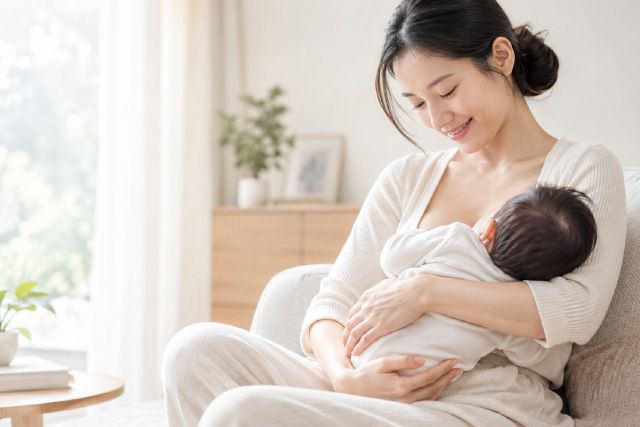
Postpartum belly not going away? Learn how TCM slimming Tuina in Johor Bahru can help new mothers regain a firmer feel and what to know before you start. Key Takeaways ➡️ A Lingering Postpartum Belly Is Common: The changes of pregnancy take time to recover, and they rarely settle in a short period. ➡️ […]
Dry eyes, itchy throat and coughing from the haze? Learn simple protection tips, lung-nourishing foods and when to see a TCM physician in Johor Bahru. Key Takeaways ➡️ Haze Affects the Airways, Eyes and Lungs: Common complaints include dry eyes, a blocked or runny nose, an itchy and dry throat, coughing and a tight […]
Ma Kuang TCM Joins the Integrated Health Plans – IHP TCM Panel Clinic Network in Johor Bahru Effective 1 October 2026, Ma Kuang TCM Malaysia officially join the Integrated Health Plans – IHP healthcare network as a IHP TCM panel clinic. Corporate employees with eligible IHP TCM benefits may visit our three Ma Kuang TCM […]
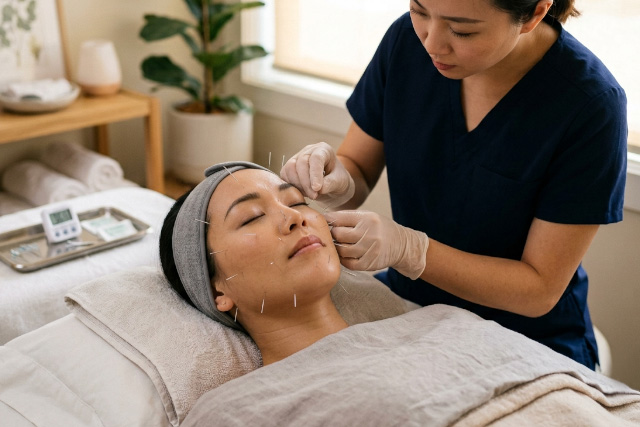
Can acupuncture improve your complexion? Learn how TCM cosmetic (facial) acupuncture supports skin health from the inside out at our Johor Bahru clinic. Key Takeaways ➡️ More Than Body Care: From a TCM perspective, acupuncture is also used to support a healthier complexion and skin condition. ➡️ Cosmetic Acupuncture Is Facial Acupuncture: It uses […]
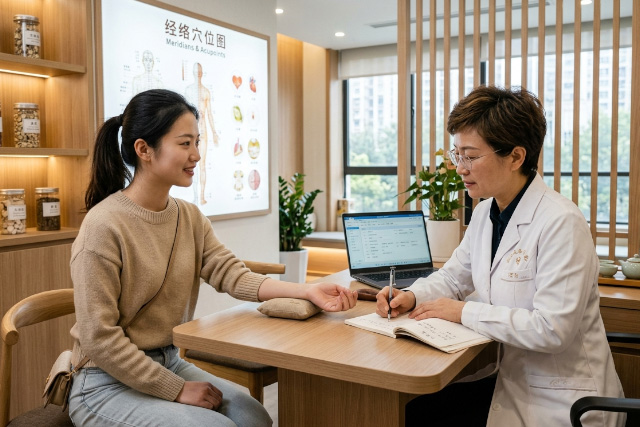
Can acupuncture support weight management? Learn how it differs from slimming Tuina massage and who may benefit from TCM care in Johor Bahru. Key Takeaways ➡️ Acupuncture Is More Than Pain Care: From a TCM perspective, acupuncture is also used to support appetite regulation and the body’s metabolic responses. ➡️ A Different Tool From […]
Ma Kuang TCM Joins the Mednefits TCM Panel Clinic Network in Johor Bahru Effective 1 September 2026, Ma Kuang TCM Malaysia will officially join the Mednefits healthcare network as a Mednefits TCM panel clinic. Corporate employees with eligible Mednefits TCM benefits may visit our three Ma Kuang TCM clinics in Johor Bahru for professional Traditional […]
Do you still remember how to sing the national anthem? 😝 Sing or recite the first two lines of “Negaraku” to show your patriotic spirit and enjoy exclusive Merdeka deals at Ma Kuang! 🎶🥳 🎉 Ma Kuang’s 3 Merdeka Specials Are Here for a Limited Time! 🎉 Celebrate Merdeka with Ma Kuang TCM! 📅 Promotion […]
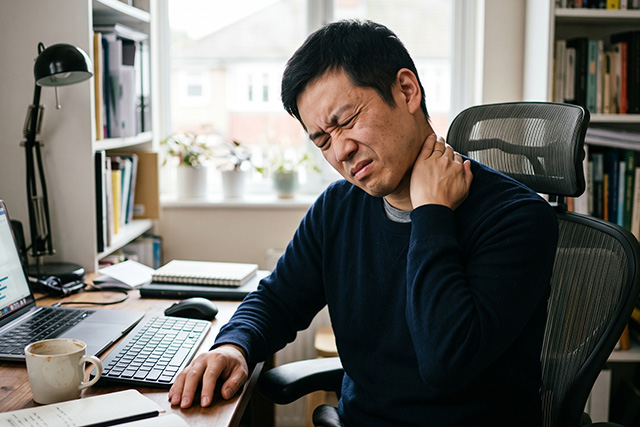
Neck and shoulder pain? Learn how Bojin and Tuina massage differ, which symptoms suit each, and how to choose the right TCM care in Johor Bahru. Key Takeaways ➡️ Different Techniques: Bojin releases the fascia layer, while Tuina massage works on the muscles through pressing and kneading. ➡️ Different Levels of Work: Bojin targets […]
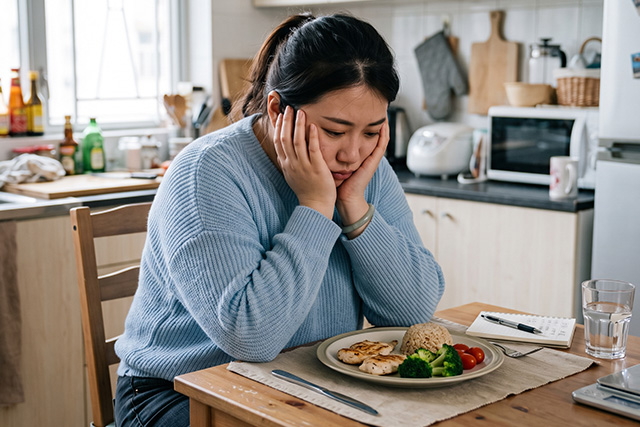
Eating little but still can’t lose weight? Learn what an easy-to-gain-weight constitution means in TCM and how weight management in Johor Bahru can help. Key Takeaways ➡️ Dieting Does Not Always Work: If your metabolism is not improving, simply eating less may not bring lasting weight loss. ➡️ Constitution Is the Key: From a […]
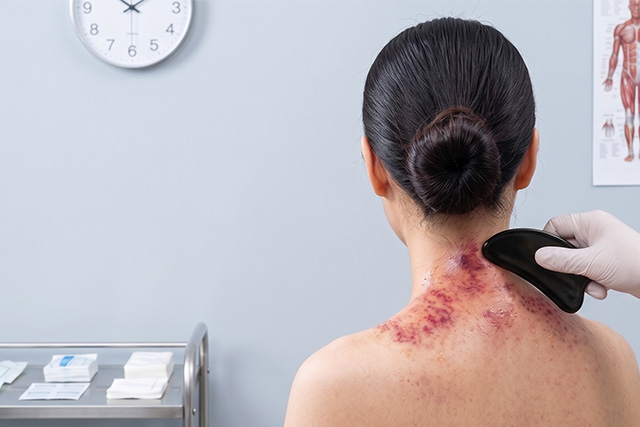
Why choose Gua Sha treatment in Johor Bahru? Learn how this TCM scraping therapy works, what it can help with, and how to get the best results. Key Takeaways ➡️ Blockages Are Common Today: Long hours of sitting, stress, and unhealthy habits can leave qi and blood circulation sluggish and the meridians blocked. ➡️ […]

Insomnia, anxiety, and irritability may not be stress alone. Learn what “liver fire” means in TCM and how TCM in Johor Bahru can help restore balance. Key Takeaways ➡️ It May Not Be Stress Alone: If insomnia, anxiety, and irritability keep returning together, TCM suggests they may be linked to “liver fire”. ➡️ “Liver […]

Finding it harder to lose weight after 40? Learn how TCM in Johor Bahru supports a slower metabolism through gentle, long-term constitutional care. Key Takeaways ➡️ Metabolism Slows With Age: After 40, your basic metabolic rate gradually falls. This is a common body change, not simply a result of eating too much or exercising […]

Ma Kuang TCM in Johor Bahru (JB) provides professional Gua Sha services. Find out what red, purple, and black Gua Sha marks can tell you about your circulation and body condition from a TCM perspective. Key Takeaways ➡️ Mark Colour Has Meaning: From light red to deep purple-black, the colour of Gua Sha marks reflects […]

Ma Kuang TCM in Johor Bahru provides professional acupuncture and women’s health services to support women trying to conceive, helping to improve their constitution and regulate the menstrual cycle through TCM. Key Takeaways ➡️ Acupuncture Is Not Superstition: It is grounded in TCM meridian theory and works to improve reproductive health by regulating energy and […]
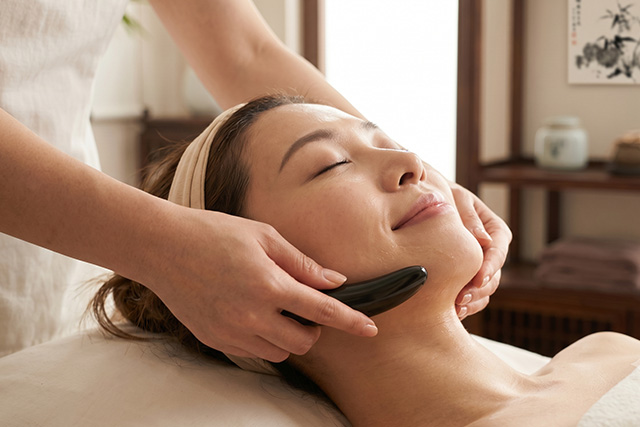
What is the facial Bojin therapy treatment that is gaining popularity among women in Johor Bahru? Discover how this TCM Bojin therapy improves circulation, firms the skin, and relieves facial fatigue from the inside out. Key Takeaways 🚨 Bojin Therapy Is More Than Beauty: Facial Bojin therapy works through TCM meridian principles to improve […]

Is your child constantly dealing with a blocked nose, runny nose, or skin that itches and flares up again and again? Learn how TCM in Johor Bahru helps improve children’s constitution to reduce recurring rhinitis and eczema, supporting healthier growth from the inside out. Key Takeaways 🚨 Constitutional Treatment Is Key: TCM does not […]
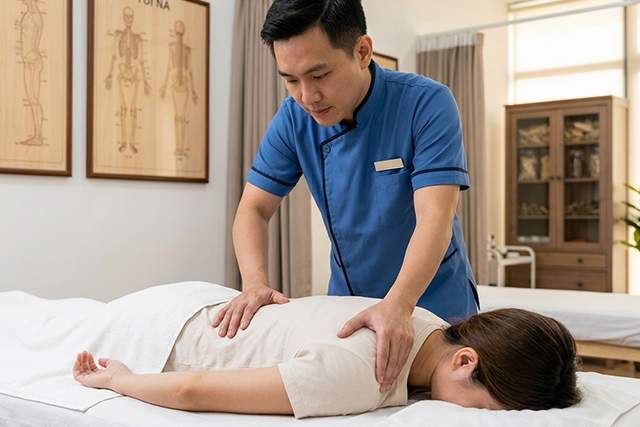
What is the difference between Tuina massage and bone-setting? Understand the key differences between these two TCM treatments at Ma Kuang TCM in Johor Bahru and how to choose the right option for your condition. Key Takeaways 🚨 Tuina Massage: Targets tight muscles and fatigue through kneading and pressing techniques to relax soft tissue. 🚨 […]
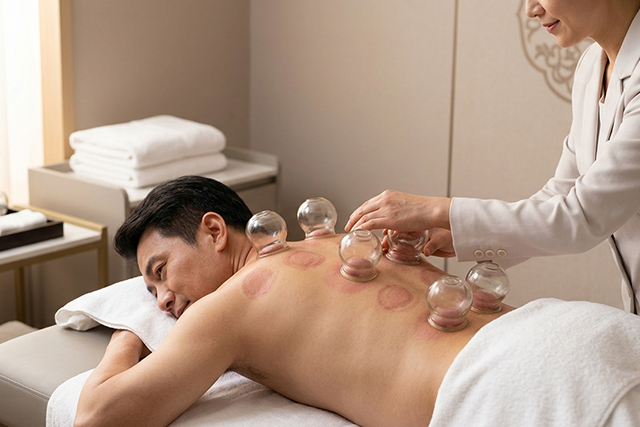
Cupping therapy relieves muscle tension from office work, sports, and daily stress. Learn how it works with Ma Kuang TCM in Johor Bahru. Key Takeaways Cupping helps reduce muscle tightness in your neck, shoulders, and back within one session. The suction improves blood flow to painful areas, helping your body heal faster. Round cups are […]
Curious about TCM but not sure where to start? Discover the five most popular TCM treatments in Johor Bahru: cupping, Gua Sha, Tuina, acupuncture, and TDP lamp therapy, and find out which one suits you best. Key Takeaways 🚨 Cupping: Uses suction to promote blood circulation, ideal for muscle aches and those with excess internal […]

Can Traditional Chinese Medicine really help you lose weight? Discover how TCM weight management in Johor Bahru works, who it suits, what treatments are involved, and what results to expect. Key Takeaways 🚨 Root Cause Approach: TCM weight management works by improving your body’s constitution and metabolism so that weight loss happens naturally. 🚨 Multiple […]

Sitting at a desk all day causing shoulder, neck, and back pain? Discover how Tuina massage in Johor Bahru helps office workers relieve fatigue, ease pain, and restore energy for work. Key Takeaways 🚨 Office Pain Is Common: Long hours of sitting lead to stiff shoulders, neck tension, lower back pain, and headaches. 🚨 Tuina […]

Women in Johor Bahru (JB) commonly face issues like irregular periods, postpartum weakness, and chronic fatigue. Discover why so many women in Johor Bahru (JB) turn to Traditional Chinese Medicine (TCM) for treatment, and how TCM in Johor Bahru (JB) helps women restore their health and rebalance their bodies. Key Takeaways 🚨 Menstrual Issues: TCM […]

Key Highlights 🚨Headaches & Migraines: Traditional Chinese Medicine (TCM) is effective in regulating recurrent headaches, especially tension-type headaches and migraines. 🚨Insomnia & Sleep Problems: Acupuncture and herbal medicine can help improve difficulty falling asleep, light sleep, and frequent dreaming. 🚨Menstrual Pain & Irregular Periods: TCM specializes in regulating women’s menstrual health, relieving menstrual cramps and […]

Seasonal Acupoint Patch Therapy patch application season is approaching! To help patients plan ahead, enjoy smoother appointment scheduling, and enhance the in-clinic experience, Ma Kuang TCM is launching a Seasonal Acupoint Patch Therapy Package with Early Bird Offers.This promotion is available to both new and existing customers for a limited time only. Promotion […]
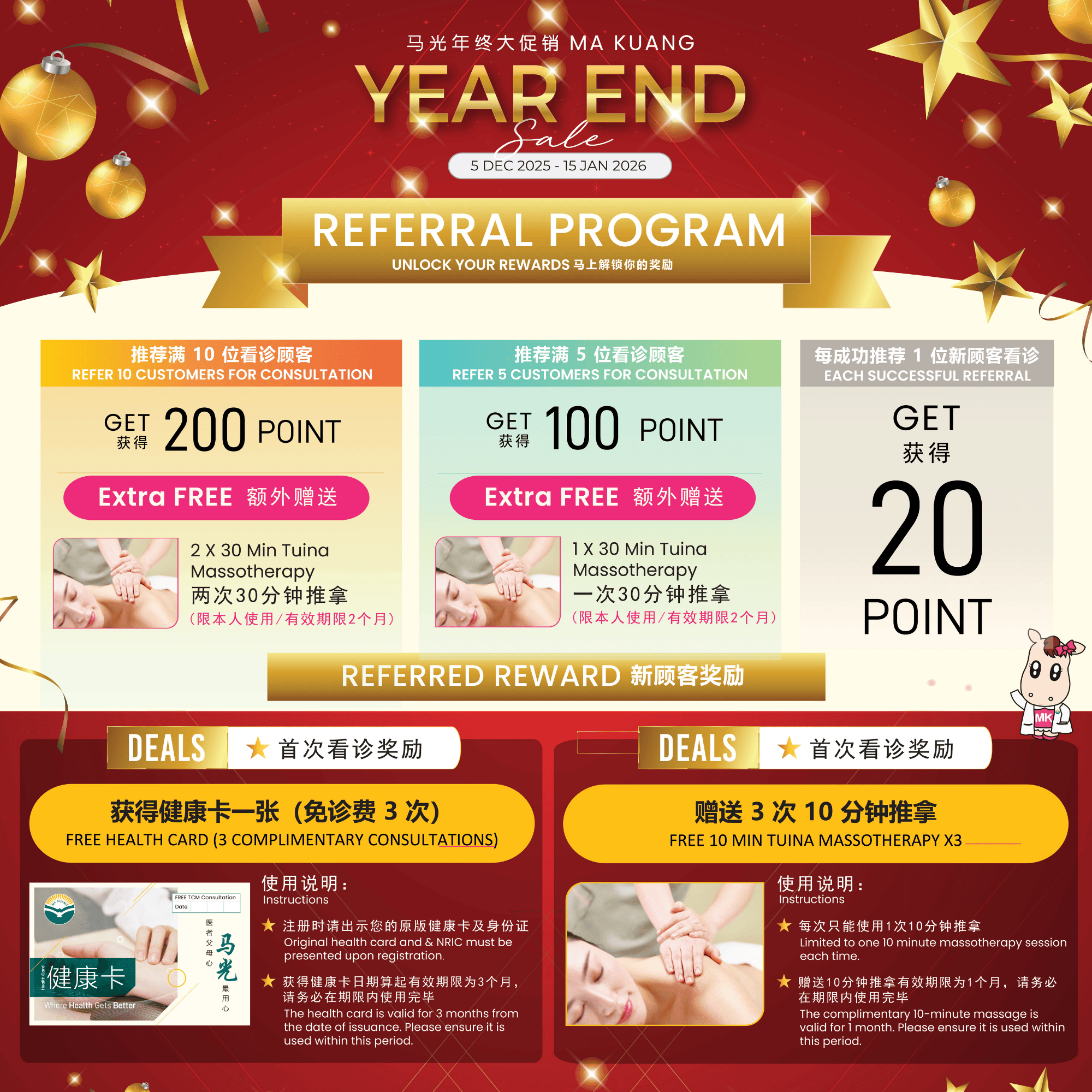
Celebrate the year-end with health rewards! Ma Kuang TCM at Bukit Indah and Sutera Mall branches is offering exciting promotions for you and your family. . 💥Promotion Period 📅 5 December 2025 – 15 January 2026 📍 Bukit Indah & Sutera Mall only . 💥Referral Rewards – Refer a new customer: 20 points (RM […]

Traditional Chinese Medicine has been a cornerstone of healthcare in Johor Bahru for decades, offering holistic approaches to wellness that complement modern medical practices. Whether you’re dealing with chronic pain, seeking postpartum care, or simply wanting to improve your overall well-being, finding the right TCM clinic makes all the difference. The TCM clinics in Johor […]

—— September 9, 2025 —— Ma Kuang TCM is proud to announce the grand opening of its second branch in Malaysia, the Bukit Indah Flagship Branch, on September 9, 2025. The grand opening ceremony was successfully held in the presence of distinguished guests, partners, the Singapore Ma Kuang team, media representatives, and friends. The […]

We are thrilled to announce that Ma Kuang TCM Bukit Indah will be officially opening its doors on September 9, 2025! This new branch will become the largest and most well-equipped TCM clinic in the Johor Bahru region, bringing comprehensive traditional Chinese medicine services closer to the community. Modern Facilities with […]

Hey Malaysia! It’s almost time to celebrate our 68th National Day, and Ma Kuang TCM is super excited to join the party with some fantastic promotions! From August 1st to September 16th, 2025, you can snag up to 27% off a bunch of our popular treatments. Get ready to enjoy awesome savings on acupuncture and […]

Ma Kuang TCM @Sutera Mall Exclusive First Trial Promo: Experience Wellness from Just RM98! Are you constantly battling aches and fatigue? Does your complexion look dull and puffy, leaving you feeling low on energy? It’s time to pamper yourself with Ma Kuang TCM @Sutera Mall’s incredible first trial offers! Experience the benefits of natural, non-invasive […]

Staying active is great for your health, but it can sometimes lead to unwanted injuries. Whether you’re a regular gym-goer, a weekend jogger, or play sports casually, you’re likely to experience muscle aches or joint problems at some point. Thankfully, Sports injury TCM offers a natural and holistic approach to healing. From a TCM for […]

Acupuncture, a time-honored practice in Traditional Chinese Medicine (TCM), is garnering significant interest in Malaysia. Increasingly, people are turning to acupuncture for pain relief, improved mental clarity, and overall well-being. Whether you’re seeking a natural way to manage stress or relief from chronic pain, acupuncture treatment in Malaysia offers an effective and holistic solution. In […]

Johor Bahru, Malaysia – April 30, 2024 – It was a momentous day as Ma Kuang TCM officially opened its doors at Sutera Mall, marking a significant milestone as the brand’s first venture into Malaysia. The journey from the decision to expand into Malaysia late last year to today’s grand opening has been a rapid […]