Hotline: +6011-6287 8580



Hotline: +6011-6287 8580





Services
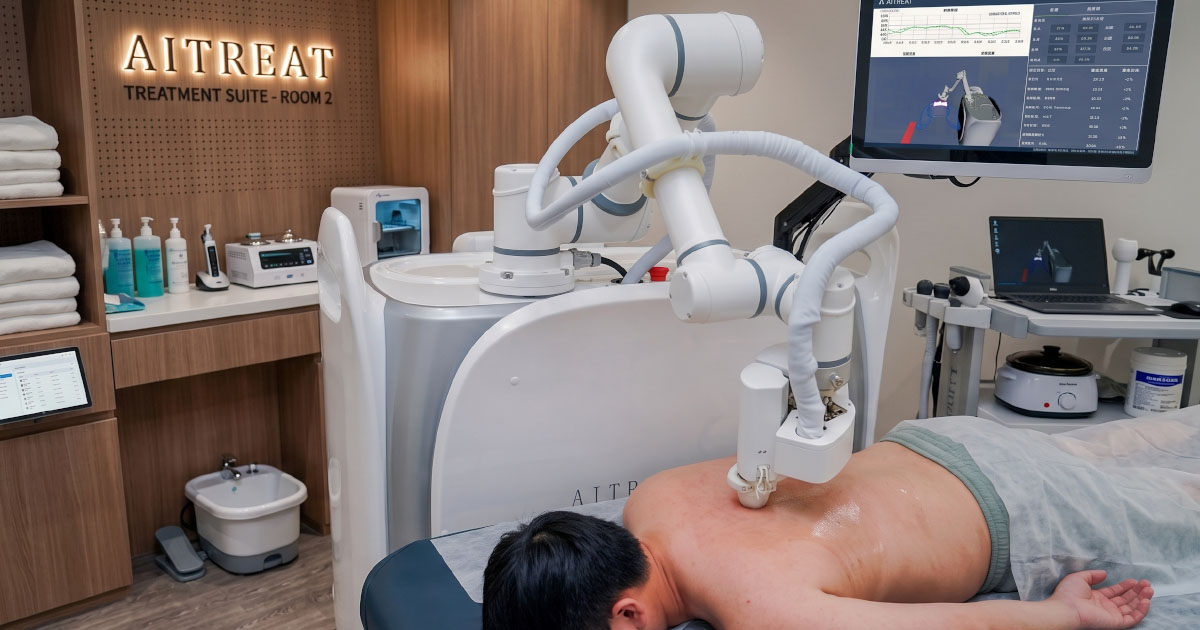
Quantifying every session with data — transforming traditional Tui Na massage from a feel-based therapy into a trackable, repeatable modern treatment. Now at Ma Kuang TCM.
EMMA (Expert Manipulative Massage Automation) is the world's first TCM Tui Na massage robot with integrated muscle stiffness assessment, developed by AiTreat Robotics and now officially available at Ma Kuang TCM.
It mimics traditional Tui Na massage techniques with robotic precision, combining AI-powered 3D scanning technology with therapeutic heat — transforming the feel-based approach of traditional Tui Na therapists into a quantifiable, trackable, and repeatable modern therapy. After every session, the system automatically generates a muscle stiffness report, so you can see your body's changes, not just feel them.
| Traditional Tui Na Massage Challenges | EMMA Solutions |
|---|---|
| Lack of Standardisation Relies on therapist experience, difficult to replicate and quantify |
Precise Standardisation Robotic control ensures consistent technique and pressure every session |
| Talent Shortage Long training cycles and limited human resources |
Repeatable Execution AI algorithm-driven, maintaining consistent standards every session |
| Limited Efficiency & Scalability Service capacity difficult to expand |
Data-Driven Complete session data recorded, results fully traceable |
| Inconsistent Results Difficult to quantify and track progress |
Closed-Loop Management Pre-session assessment → Robot therapy → Post-session comparison report |
From your first consultation to ongoing data tracking, every step is clear and transparent.
1. Initial Consultation
Mark your areas of discomfort on a tablet and inform the physician of your condition and therapy goals.
2. Muscle Stiffness Assessment
EMMA's 3D vision system combined with multi-layer sensors scans muscle stiffness on both sides of each vertebral segment. Data is uploaded to the cloud in real time for analysis, generating a personalised therapy recommendation.
3. EMMA Robot Tui Na Massage Therapy (0.5–1 hour)
EMMA mimics traditional Tui Na techniques with precise pressure, maintaining therapeutic heat at 35–40°C throughout. It continuously monitors physiological responses and adjusts the therapy plan in real time for a consistent, quantifiable experience.
4. Pre- and Post-Session Data Comparison
After the session, EMMA automatically generates a comparison report, visually presenting changes in muscle stiffness before and after therapy — making results immediately clear.
5. Physician Follow-Up
For areas still requiring attention after the robot therapy, a Ma Kuang TCM physician provides targeted manual therapy to ensure a comprehensive overall experience.
6. Follow-Up Tracking & Return Visits
All session data is fully recorded, allowing physicians to track your recovery progress. Return visits can replicate the previous session plan, so every session builds on the last.
According to TCM meridian theory, different vertebral segments are closely connected to corresponding internal organs. EMMA's targeted therapy on different spinal regions helps improve the function of related organs and overall health.
| Upper Back T3–T7 Heart & Lungs (Cardiorespiratory System) Promotes heart and lung health, improves Qi and blood circulation, relieves stress, enhances sleep quality, and strengthens the body's defence system. |
Mid Back T7–T12 Digestive Organs (Digestive System) Optimises the digestive system, enhances nutrient absorption, promotes energy conversion, maintains healthy weight, and improves overall wellbeing. |
Lower Back L1–L5 Kidneys, Bladder, Reproductive Organs & Colon Strengthens the excretory system, promotes waste elimination, maintains fluid balance, preserves kidney health, and ensures reproductive system equilibrium. |
After every EMMA session, the system automatically generates a personalised muscle stiffness assessment report, comprehensively presenting the condition of your upper, mid, and lower back — giving both you and your physician a clear view of how your body is changing.
Each scan captures over 307,200 spatial data points — far exceeding traditional manual assessment — ensuring every analysis is highly precise.
Combined with multi-layer tactile perception, it quantifies muscle stiffness in three dimensions and comprehensively assesses left-right imbalance.
Maintains the optimal temperature range to enhance therapy effectiveness and comfort, with stable control throughout.
Continuously monitors the body's response during therapy and adjusts the plan instantly, ensuring every session is consistent and safe.
All historical session data is fully recorded, supporting long-term progress tracking and precise session plan replication.
Following the robot therapy, a Ma Kuang TCM physician provides personalised follow-up care — where technology and human expertise work in harmony.
Contact Ma Kuang TCM today and let our professional team provide you with a personalised assessment and therapy plan.
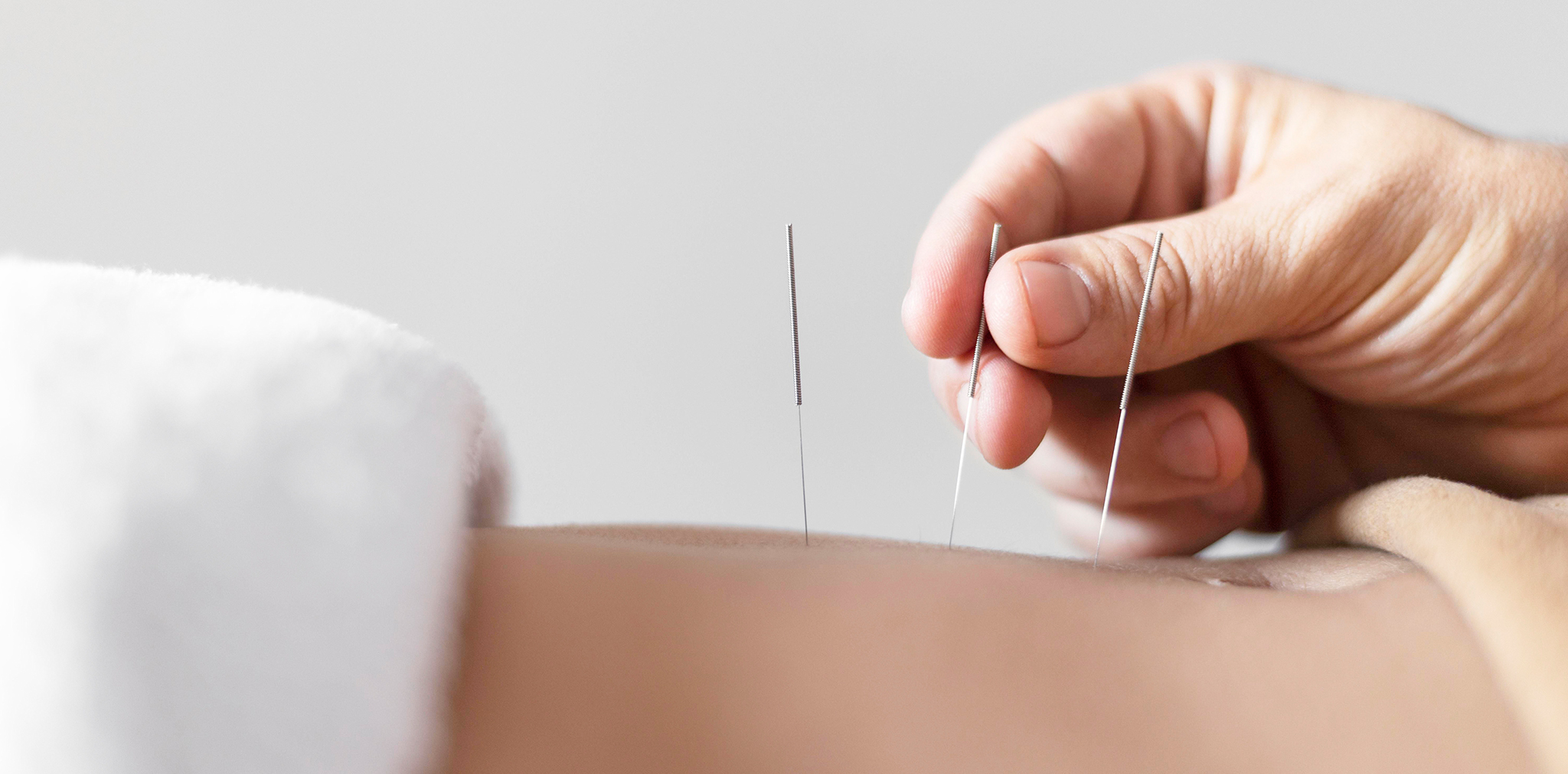
Acupuncture is a collective term for needling methods and moxibustion. During an acupuncture treatment, needles are used to stimulate specific acupoints to achieve therapeutic effects.
Acupuncture treatment regulates the body’s Qi (vital energy), strengthens one’s immunity, and unblocks the meridian system. World Health Organisation (WHO) also recognises acupuncture’s therapeutic effects for 63 widely varying conditions, such as pain syndromes, stroke, hypertension and rheumatic diseases.

At Ma Kuang, we provide good acupuncture services in Malaysia. We use sterile, single-use, disposable acupuncture needles during the acupuncture treatment. You may experience slight discomfort upon insertion when the needle pierces through the skin; however, most people find it very tolerable. As the needle reaches acupoint, you may notice achiness, tingling, fullness, and heaviness, which are referred to as “needling sensations”. The duration of the acupuncture treatment varies greatly from person to person. It can last anywhere from a few seconds to a day, and still be considered normal.
Side effects of acupuncture treatment are rare. Occasionally, local petechiae (minor subcutaneous bleeding) and local allergic reaction occur at site of needling. Subcutaneous bleeding can present as small bruise, which generally doesn’t require medical attention. Needle marks, small red dots or blotches usually subside spontaneously as well. Fatigue, achiness and fullness are normal responses to acupuncture treatment and usually only last for a day or two. If symptoms of needle fainting (vasodepressor syncope of reflex fainting during acupuncture therapy) occur during the session, please speak to your acupuncture physician in Malaysia.
Acupuncture treatment should be postponed or rescheduled under circumstances such as postprandial period, severe fatigue and excessive sweating. People with critical illness, severe heart disease, severe hypertension and pregnancy women should be cautious when considering acupuncture. Please consult your physician for advice.

TCM prescriptions are prescribed according to the constitution and illness of each individual. Every prescription is a customized formula, thus, shall not be shared.
All medicinal powder in Ma Kuang are appraised and approved by “Kementerian Kesihatan Malaysia". They are concentrated herbal extracts from Chinese medicinal herbs.
Please follow your physician’s instructions. Avoid direct sunlight. Store in refrigerated or dry and shaded location.
If you have stopped taking the medicine for a period of time and want to resume, please consult your physician first as your condition may have changed.
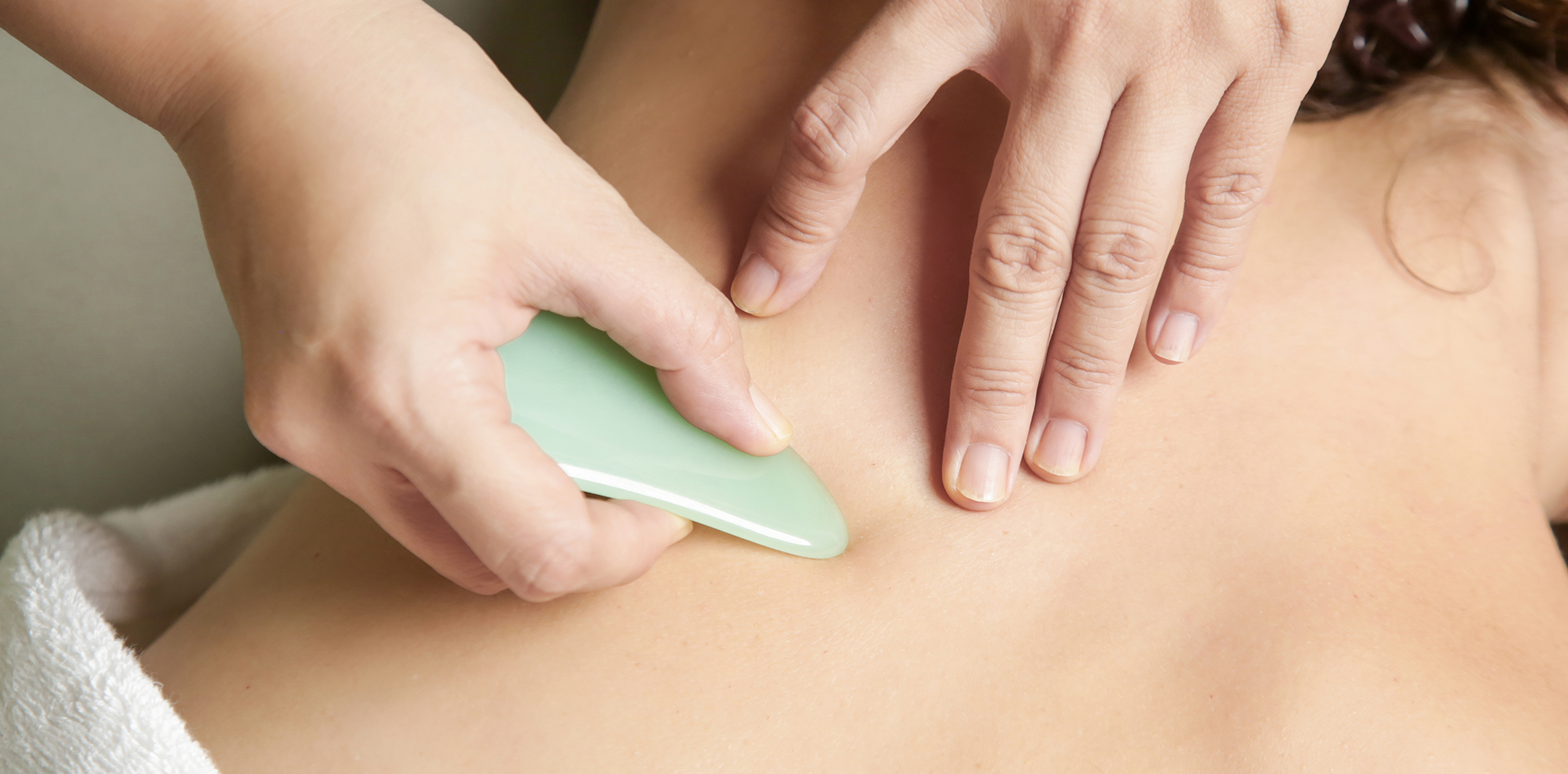
TCM Gua Sha massage is a traditional therapy commonly practised in Traditional Chinese Medicine to help relieve muscle tension and support healthy circulation. The treatment involves gently scraping the skin using a smooth-edged tool while applying massage techniques to stimulate the flow of Qi and blood along the body’s meridian pathways.
At Ma Kuang TCM clinics, trained practitioners provide TCM Gua Sha massage in Johor Bahru as part of a holistic Traditional Chinese Medicine approach. Many individuals seek Gua Sha therapy to help manage body aches, muscle stiffness, and fatigue caused by daily stress, prolonged sitting, or physical strain.
For individuals looking for Gua Sha in Johor Bahru, this therapy may be recommended by a physician as part of a personalised treatment plan that aims to support overall wellbeing.
Gua Sha massage is a traditional technique that involves applying repeated scraping strokes on the skin using a specially designed smooth-edged instrument. In Traditional Chinese Medicine theory, the therapy helps release stagnation and promotes smoother circulation of Qi and blood within the body.
The scraping action may cause temporary redness or small spots to appear on the skin. These marks are a normal response to the therapy and typically fade naturally within a few days.
For individuals experiencing muscle tension or stiffness, TCM Gua Sha massage in Johor Bahru may be used as a supportive therapy to help restore balance within the body.
TCM Gua Sha massage aims to stimulate circulation and support the body’s natural healing response. By encouraging the movement of Qi and blood through the meridian pathways, the therapy may help relieve muscular tension and promote relaxation.
Many individuals visit TCM clinics for Gua Sha massage in Johor Bahru to help manage symptoms such as muscle tightness, fatigue, and body stiffness that may develop from long working hours or daily physical activities.
In Traditional Chinese Medicine practice, Gua Sha massage is sometimes combined with other therapies such as acupuncture, cupping therapy, or Tui Na massage as part of a broader treatment plan.
In Traditional Chinese Medicine practice, Gua Sha massage is commonly used as supportive care for individuals experiencing muscle-related discomfort or circulation issues.
Patients seeking Gua Sha in Johor Bahru may receive this therapy to help manage symptoms such as neck and shoulder tension, back discomfort, muscle stiffness, and general body aches caused by daily activities or prolonged desk work. The therapy may also be used to support recovery from minor muscle strain or physical fatigue.
A consultation with a physician helps determine whether Gua Sha massage is suitable for the patient’s individual condition.
Before the Gua Sha massage session begins, the physician or therapist will first assess the patient’s condition to identify the areas requiring treatment. This consultation allows the practitioner to understand the source of discomfort and determine the most appropriate treatment approach.
During the Gua Sha massage session, a smooth-edged instrument is applied to the skin using repeated scraping strokes along selected areas of the body. These strokes are typically performed along the meridian pathways recognised in Traditional Chinese Medicine. A small amount of oil or lubricant may be applied to the skin to allow the instrument to glide smoothly during the therapy.
The treatment usually focuses on areas where muscle tension or discomfort is present. A typical Gua Sha massage session in Johor Bahru may last between ten to twenty minutes, depending on the patient’s condition and the treatment plan recommended by the practitioner.
During a TCM Gua Sha massage, patients may experience a warm or scraping sensation on the skin as the practitioner performs the treatment. The pressure and intensity of the strokes are adjusted according to the patient’s comfort level.
It is common for redness or small spots known as “sha” to appear on the treated area after the therapy. These marks are considered a normal response in Traditional Chinese Medicine and usually fade naturally within several days.
Many individuals who receive Gua Sha massage in Johor Bahru report that their muscles feel more relaxed after the session. If unusual discomfort or reactions occur following the treatment, patients are advised to consult their physician or therapist for further guidance.
After receiving Gua Sha massage, patients are generally advised to rest and drink warm water. Avoiding cold showers or exposure to cold environments for a short period may help the body adjust comfortably after the therapy.
Temporary marks or redness may appear on the skin after the session. These marks are a normal response and usually fade naturally within several days. The colour and intensity of the marks may vary depending on the individual’s circulation and body condition.
If any unusual symptoms such as dizziness or persistent discomfort occur, patients should consult their physician or therapist.
Although Gua Sha massage is widely practised in Traditional Chinese Medicine, certain individuals should seek professional advice before receiving treatment.
This includes individuals with bleeding disorders, severe skin infections, open wounds, or serious medical conditions. Pregnant individuals are also advised to consult a physician before undergoing the therapy.
A proper consultation ensures that TCM Gua Sha massage in Johor Bahru is safe and appropriate based on the patient’s health condition.
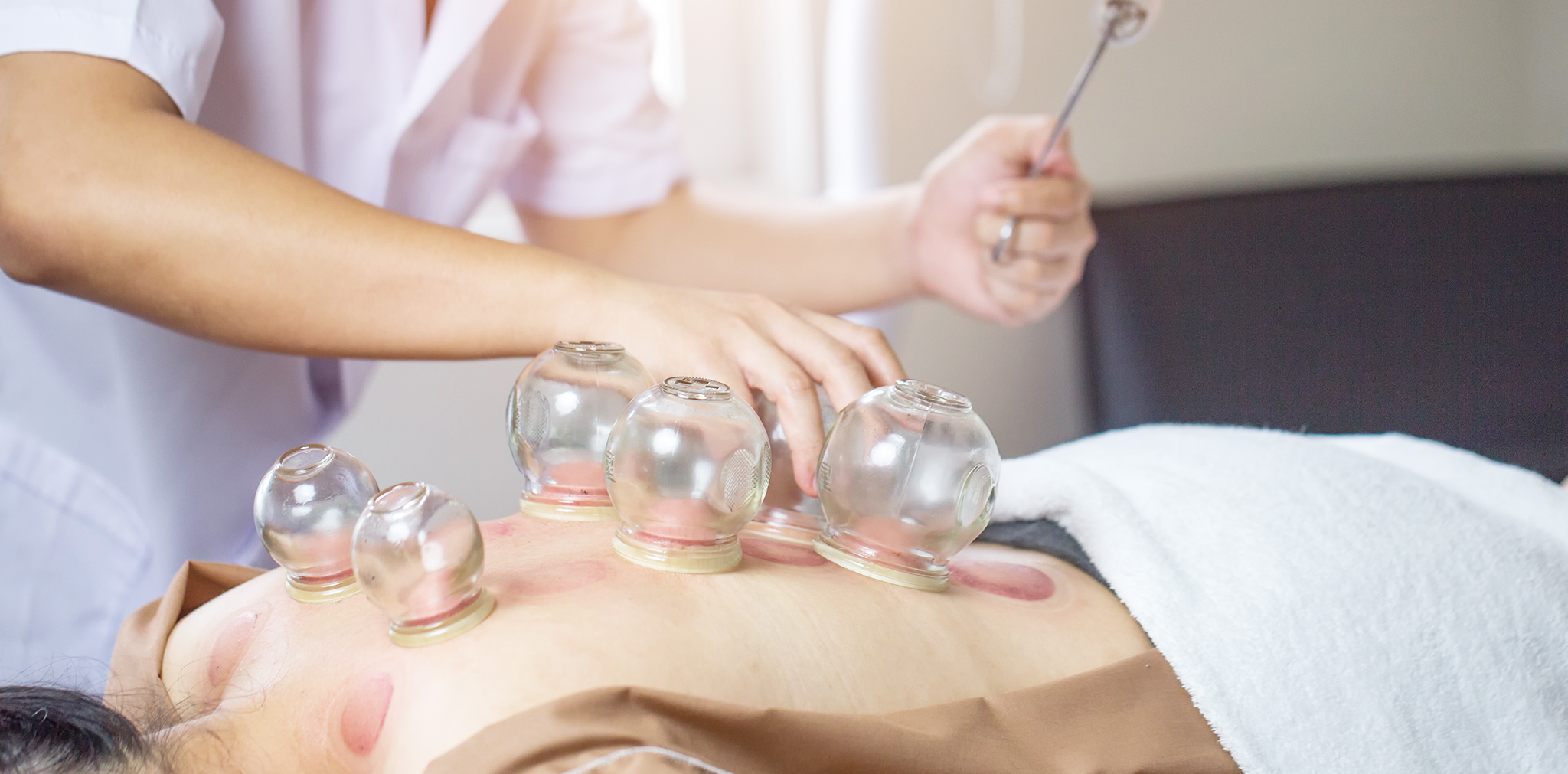
TCM Chinese cupping therapy is a traditional treatment commonly used in Traditional Chinese Medicine to support circulation, relieve muscular tension, and promote overall wellbeing. At Ma Kuang TCM Johor Bahru, cupping therapy is performed by trained practitioners who apply specialised cups on selected areas of the body to create a gentle suction effect on the skin.
Many individuals seek cupping therapy in Johor Bahru as a natural method to help relieve body discomfort caused by stress, prolonged sitting, or physical strain. The therapy works by stimulating the flow of Qi and blood through the body’s meridian pathways, which may help restore balance and support the body’s natural recovery process. When used as part of a holistic treatment plan, cupping therapy may complement other Traditional Chinese Medicine treatments such as acupuncture or Tui Na massage.
Cupping therapy is believed to help stimulate the body’s natural circulation and support the movement of Qi throughout the meridian system. When circulation improves, the body may be better able to relieve muscular tension and rregulate the Yin-Yang balance of the body.
Patients who receive cupping therapy in Johor Bahru, Malaysia often seek the treatment for its potential to reduce muscle tightness, promote relaxation, reduce swelling, relieve pain, extract toxins, release heat and support recovery from physical strain. The therapy may also help improve flexibility and encourage the body’s natural healing response.
Cupping therapy is believed to help stimulate the body’s natural circulation and support the movement of Qi throughout the meridian system. When circulation improves, the body may be better able to relieve muscular tension and rregulate the Yin-Yang balance of the body.
Patients who receive cupping therapy in Johor Bahru often seek the treatment for its potential to reduce muscle tightness, promote relaxation, reduce swelling, relieve pain, extract toxins, release heat and support recovery from physical strain. The therapy may also help improve flexibility and encourage the body’s natural healing response.
In Traditional Chinese Medicine practice, cupping therapy is commonly used as supportive care for individuals experiencing physical discomfort related to muscle tension or circulation issues. Many patients visit TCM clinics for cupping therapy in Johor Bahru, Malaysia when they experience neck and shoulder tightness, back discomfort, muscle fatigue, or body aches caused by daily activities or long working hours.
The treatment may also be used as part of a broader TCM approach to support recovery from sports strain, muscle stiffness, or general fatigue. A proper consultation with a physician is important to determine whether cupping therapy is appropriate for each individual’s condition.
After receiving Chinese cupping therapy, patients are usually advised to rest and drink warm water. It is generally recommended to avoid cold showers immediately after treatment (2 hours following completion of therapy) so that the body can adjust comfortably.
Temporary circular marks (bruises) may appear on the skin after the cups are removed. These marks are a common response to the therapy and usually fade naturally over the next several days. The colour and intensity of the marks may vary depending on the individual’s body condition and circulation.
If unusual reactions such as dizziness or prolonged discomfort occur, patients should consult their physician or therapist for advice.
Although cupping therapy is widely used in Traditional Chinese Medicine, certain individuals should seek medical advice before receiving the treatment. This includes individuals with severe heart conditions, bleeding disorders, serious skin infections, open wounds, or high fever.
Pregnant women and individuals with serious health conditions should consult a physician to determine whether cupping therapy is appropriate for them. A proper consultation helps ensure that TCM cupping therapy in Johor Bahru, Malaysia is carried out safely and according to each patient’s health condition.
For individuals looking for professional cupping therapy in Johor Bahru, Ma Kuang TCM clinics provide Traditional Chinese Medicine treatments delivered by trained practitioners. Each treatment is based on a personalised assessment to ensure that the therapy is suitable for the patient’s needs.
Patients experiencing muscle tension, body aches, or fatigue may consult a physician to find out whether Chinese cupping therapy can be incorporated into their treatment plan.

TDP (acronym for Teding Diancibo Pu) can increased blood circulation, and remove blood stasis. Its thermal effects may help alleviating symptoms, such as muscle tension, stiffness or spasm, inflammation, swelling and pain.
TDP is preheated before use. The physician will then place the lamp 20-30 cm from treating area, maintaining a safety distance. Exposure time varies from person to person.
TDP lamp has a wide range of clinical applications, most commonly, neck pain, back pain, knee problems, gastric pain, abdominal pain, cardiovascular diseases, post-stroke syndrome, etc. TDP is also used in conjunction with other therapies, including acupuncture, cupping, and topical Chinese medicine.
People with bleeding disorders, fever, severe hypertension, severe diabetes, severe allergic constitution, elderly patients, and those who have just received cupping or bandage removal should be cautious about receiving TDP treatment.

During your first consultation at Ma Kuang, in addition to the chief complaint. Our physician will conduct a comprehensive history detailing your physical charateristics, onset of the illness, previous treatment(s) and progress of recovery, etc.
In order to better understand your condition, the physician will also ask about your lifestyle, dietary habits, stresses of daily living, sleep quality, digestive health, medical history, family history, and emotional well-being, etc.
The four methods of diagnosis in TCM consist of observation, auscultation, inquiry and palpation. Observation indicates that the physician examines the physical appearance of a patient through complexion, tongue and more. Auscultation is achieved by listening to the speech, coughs, and breath sounds. Inquiry is a way to gather information about signs and symptoms, as well as medical history. Palpation includes checking the radial pulses and abdominal examination.
The physician will ask specific questions to determine your constitution and health status based on the cause and onset of the illness, progression, signs and symptoms, frequency of occurrence, and complications or lack thereof.
The health record also documents patient’s medical diagnosis and maintain an active medication list.
Based on the above-mentioned consultation, the physician will suggest a suitable treatment plan. Detail documentation of the initial visit allows the physician to quickly assess your condition at follow-up(s). Treatment plan is updated accordingly, depending on the response to previous treatment, level of improvement, and change in illness progression
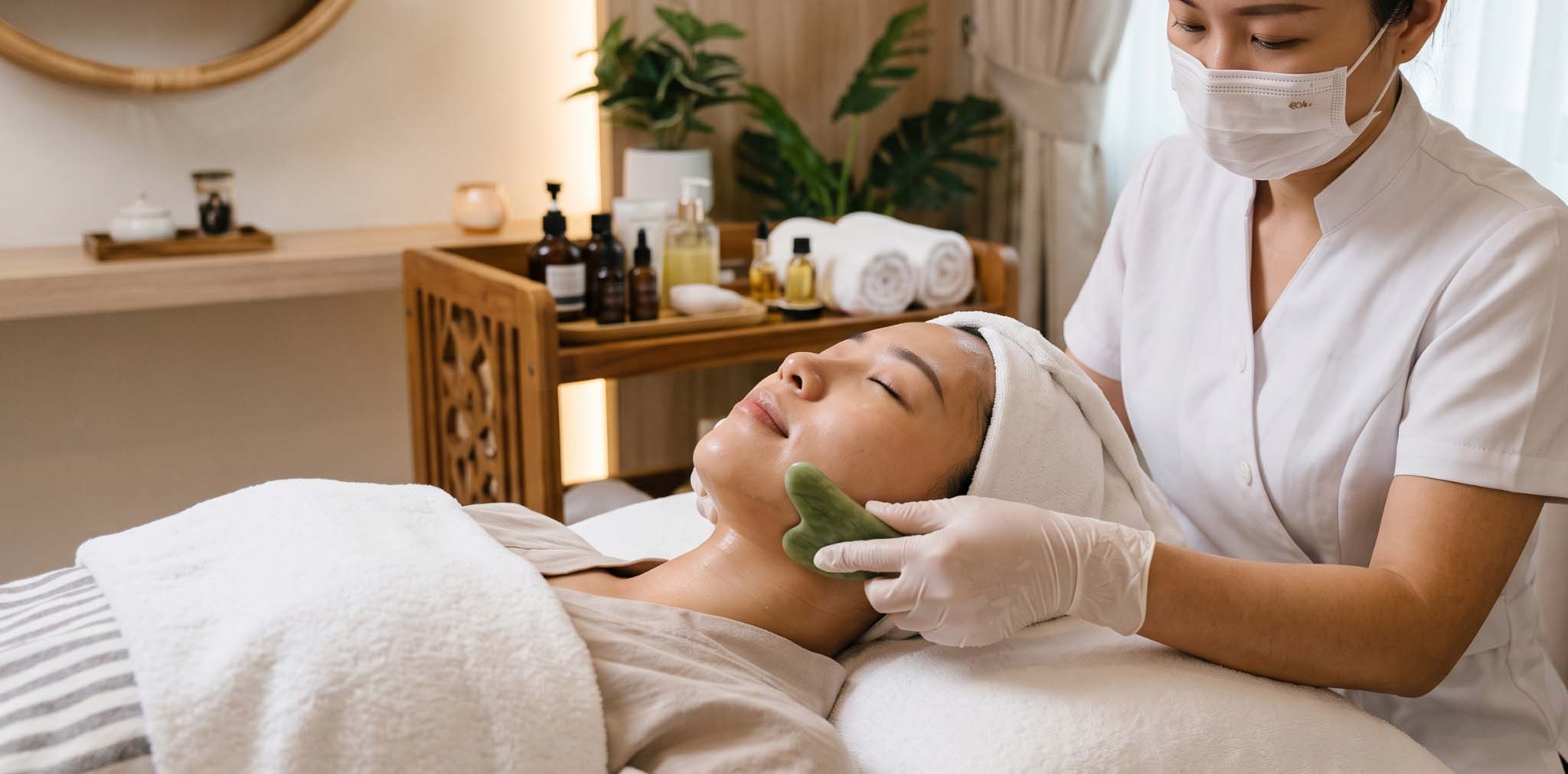
Do you frequently experience neck and shoulder stiffness, lower back pain, or joints that crack and pop during movement? These issues often stem from imbalances and adhesions within the sinew channels (fascia and tendons). Ma Kuang TCM's Johor Bahru clinics now offer professional Bojin therapy — a traditional Chinese medicine sinew treatment performed by registered TCM physicians or trained therapists to systematically release sinew adhesions and relieve pain at its root.
Bojin, also known as "Meridian Sinew Therapy," is a traditional manual therapy grounded in the TCM theory of the Twelve Sinew Channels. The sinew channels are an integral part of the meridian system, encompassing the body's muscles, tendons, ligaments, and fascia. Their function is to bind the skeleton, facilitate joint movement, and conduct the flow of Qi and blood.
When the sinew channels become restricted, contracted, or stagnated due to overuse, injury, wind-cold-damp invasion, or prolonged poor posture, pain, stiffness, and limited movement can result. Bojin therapy involves the practitioner using the thumbs, heel of the palm, or specialised tools to apply plucking, pulling, pressing, and pushing techniques along the sinew pathways, with the aim of:
While Bojin shares similarities with modern Western myofascial release, it places greater emphasis on systematically clearing the sinew pathways and integrating overall meridian balance with targeted manual therapy.
Many patients confuse Bojin with Tuina. While both are TCM manual therapies, they differ in their focus and approach:
| Comparison | Tuina Massage | Bojin Therapy |
| Theory | Meridian acupoints & zang-fu pattern differentiation | Twelve Sinew Channels & fascial system |
| Target | Meridian Qi & blood, internal organ regulation | Muscles, tendons, fascia & ligaments |
| Techniques | Broad strokes — pushing, kneading, pressing, point stimulation | Targeted — plucking, pulling, flicking, fascial release |
| Approach | Harmonising Qi & blood, addressing both internal & external | Focused on structural soft tissue release |
| Best For | Internal regulation, sub-health management, stress relief | Musculoskeletal pain, sports injuries, fasciitis |
At Ma Kuang TCM, both therapies can be performed independently or combined based on your physician's assessment for the best possible outcome.
A properly administered Bojin treatment can deliver the following benefits:
Ma Kuang TCM's Bojin therapy is particularly well-suited for the following conditions:
If you are unsure whether Bojin therapy is suitable for your condition, we recommend consulting a Ma Kuang TCM registered physician first for a professional assessment and personalised treatment plan.
Q1: Is Bojin therapy painful?
During treatment, patients typically experience varying degrees of soreness and a distending sensation — this is more noticeable in areas with heavier adhesions. This feeling is what TCM refers to as "De Qi" (arrival of Qi), indicating that the sinew channels are being effectively cleared. Our physicians will adjust the pressure in real time based on your comfort level. Please let us know immediately if you feel significant discomfort and we will adapt our technique accordingly.
Q2: How many sessions does it take to see results?
Results vary depending on the severity of your condition, how long you have had it, and your individual constitution. Some patients with acute symptoms notice significant improvement after just 1 to 2 sessions. Those with chronic pain or long-standing adhesions typically require a structured course of 4 to 8 or more sessions, alongside lifestyle adjustments, to achieve stable and lasting relief. Your physician will provide a personalised treatment recommendation after your initial assessment.
Q3: Is it normal to have bruising or marks after Bojin treatment?
Some patients may notice mild redness or bruising at the treated area, particularly where fascial adhesions are more severe. This is a normal response — it reflects local Qi and blood being cleared and minor capillary expansion. It typically fades on its own within 1 to 3 days and requires no special treatment. If the bruising is extensive or persists beyond one week, we recommend returning for a follow-up consultation.
Q4: Can pregnant women receive Bojin therapy?
Pregnant women should exercise extra caution. Bojin on the lower back and abdomen is generally not recommended during pregnancy. Treatment on other areas may be considered, but only after a thorough assessment by a TCM physician taking into account the stage of pregnancy, symptoms, and overall health. If you are pregnant, please inform our team when making your appointment so that we can arrange a suitable consultation for you.
Q5: Can Bojin therapy improve skin and facial concerns?
Yes. Facial Bojin — the application of Meridian Sinew Therapy to the face — is an important branch of Bojin treatment. By gently clearing and releasing the facial sinew pathways, it promotes facial Qi and blood circulation and lymphatic drainage, helping to reduce dullness, ease puffiness, improve skin elasticity, and soften fine lines. TCM holds that "when Qi and blood rise to nourish the face, the complexion becomes radiant." Full-body sinew clearing also works from within to improve overall skin quality. Facial Bojin is especially popular among women seeking a natural approach to skin rejuvenation and anti-ageing care.

Ma Kuang TCM offers professional Tui Na massage therapy in Johor Bahru, performed by registered TCM therapists who tailor each session to your individual condition and constitution. Whether you are dealing with chronic muscle tension from long hours at a desk, a sports-related injury, or general body discomfort, Tui Na is a natural and time-tested approach to supporting your body's recovery and overall wellbeing.
Tui Na is a traditional therapeutic technique in Traditional Chinese Medicine (TCM). It combines a range of manual techniques — including kneading, pressing, rolling, and stretching — applied to acupoints, meridians, muscles, and joints to promote the smooth flow of Qi (vital energy) throughout the body.
At Ma Kuang TCM Johor Bahru, Tui Na sessions are conducted by trained TCM therapists. Unlike general relaxation massage, TCM Tui Na is performed based on the individual's health condition and may be recommended as part of a holistic TCM treatment plan.
Tui Na massage is commonly used to help manage musculoskeletal discomfort and support physical recovery. Conditions that may benefit from Tui Na massage include:
Musculoskeletal & Joint Issues
Neurological & Other Conditions
*A consultation with a TCM therapist is recommended before receiving Tui Na to determine whether the therapy is suitable for your condition.
Tui Na massage therapy works through targeted manual techniques to:
Many patients in Johor Bahru choose Tui Na massage as a natural approach to managing muscle discomfort and supporting their overall wellbeing.
Before the session begins, your TCM therapist will assess your condition, identify areas of concern, and determine the appropriate techniques and pressure level for your needs.
During the session, patients may be asked to expose the treatment area to allow the therapist to apply precise manual techniques. In some cases, the therapy can also be performed over light clothing.
Sessions typically last between 20 to 60 minutes, depending on your condition and treatment plan. Follow-up sessions may be recommended based on your response to treatment and the therapist's assessment.
To support your body's recovery after treatment:
If symptoms persist or you experience unusual reactions such as nausea or dizziness, please consult your therapist promptly.
While Tui Na massage is generally safe when performed by trained professionals, the following individuals should consult a therapist before receiving treatment:
A proper consultation ensures that Tui Na massage therapy is safe and appropriate for your individual condition.
Ma Kuang TCM is one of Malaysia's trusted TCM medical institutions, with clinics in Johor Bahru serving both local and surrounding communities.