Hotline: +6011-6287 8580



Hotline: +6011-6287 8580





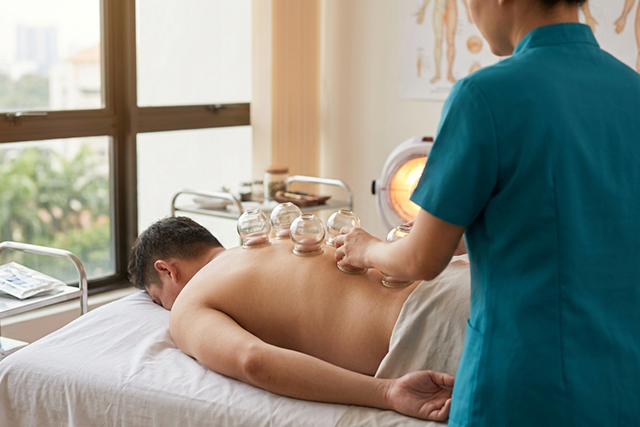
Curious about TCM but not sure where to start? Discover the five most popular TCM treatments in Johor Bahru: cupping, Gua Sha, Tuina, acupuncture, and TDP lamp therapy, and find out which one suits you best.
🚨 Cupping: Uses suction to promote blood circulation, ideal for muscle aches and those with excess internal dampness.
🚨 Gua Sha: Uses a smooth tool to scrape the skin, helping relieve fatigue and improve energy flow.
🚨 Tuina: Hands-on massage that relaxes muscles, the most popular choice for routine health maintenance.
🚨 Acupuncture and TDP Lamp: Acupuncture regulates energy and blood flow; TDP lamp therapy uses therapeutic warmth to strengthen the body.
Are you curious about TCM but unsure which treatment to try? Cupping, Gua Sha, Tuina, and acupuncture are terms that may sound unfamiliar, but each one has a clear purpose and is more approachable than it seems.
Many people living in Johor Bahru (JB) want to explore TCM for health maintenance or pain relief but feel hesitant because they don’t know what to expect. This article introduces the five most popular TCM treatments available at Ma Kuang TCM in plain, easy-to-understand terms: what each one involves, what it feels like, and who it suits best.
Cupping therapy uses specially designed cups placed on the skin to create suction, drawing blood to the surface and improving local circulation. The suction helps shift stagnation from deeper layers of the body, encouraging smoother energy and blood flow. After treatment, circular marks are left on the skin. These are completely normal and fade naturally within a few days.
The experience is more comfortable than it looks. When the cups are applied, you feel a firm pulling sensation on the skin, but it is not painful. Most people find it surprisingly pleasant. Sessions typically last between 8 and 12 minutes, and you will often feel noticeably lighter afterward, especially across the shoulders and upper back.
Cupping is particularly well suited to those in Johor Bahru, where the hot and humid climate can contribute to excess internal dampness. People who feel persistently heavy, fatigued, or experience achiness in the limbs often find cupping effective for restoring a sense of lightness. It is also popular for releasing tight muscles and supporting recovery after exercise. Many people make monthly cupping sessions part of their routine health maintenance.
After cupping, wait at least two hours before showering to allow the pores to close gradually. Drinking warm water helps the body clear what has been released through the treatment. The colour of the cupping marks can indicate the condition of that area: darker marks suggest greater stagnation, and lighter marks on follow-up sessions are a sign that the body’s condition is improving.
Gua Sha massage involves using a smooth-edged tool to stroke firmly across the skin, causing red or purplish marks called “sha” to appear. These marks indicate the release of stagnation from the surface layers of the body. Gua Sha works to restore smooth circulation, relieve fatigue, and address feelings of physical heaviness. Despite how it looks, the process is not as uncomfortable as it appears.
The experience is distinct from cupping. Gua Sha oil is applied to the skin first, and the tool is then drawn repeatedly across the area being treated. There may be some initial tenderness, but this usually eases quickly, and the therapist will always adjust pressure to suit your comfort level. A session typically takes 10 to 20 minutes, and most people feel noticeably lighter and more at ease once it is done.
One of the most appreciated benefits of Gua Sha is how quickly it relieves fatigue. People who feel chest tightness, mental sluggishness, or persistent stiff shoulders often notice a real improvement in how easily they breathe and how much lighter their body feels after treatment. It is also commonly used at the first signs of a cold to support the body’s natural recovery. Many office workers in Johor Bahru schedule Gua Sha every two weeks as a way to manage the physical toll of a demanding schedule.
Gua Sha and cupping can work well together. In some cases, Gua Sha is used first to restore overall circulation, followed by cupping to address specific areas of stagnation. Your TCM physician will advise which combination is appropriate based on your condition. After Gua Sha, drink warm water, avoid cold drafts, and keep the treated area covered.
Tuina massage therapy is indeed the most widely experienced TCM treatment. It combines massage, kneading, and pressing techniques applied to the muscles and meridians to release tension, improve circulation, and relieve fatigue. Unlike cupping and Gua Sha, Tuina does not leave any marks on the skin, and the entire process is deeply comfortable. It suits regular health maintenance and is accessible to almost everyone.
The experience is the most relaxing of all TCM treatments. Lying on a comfortable treatment bed, a qualified therapist works through the muscles with skilled, purposeful technique. Pressure is adjustable from light and soothing to firm and deep. Many people fall asleep during a session. Treatment typically runs 30 to 60 minutes, and you will often leave feeling as though a week’s worth of accumulated tension has been lifted.
Tuina suits a wide range of people. Office workers with stiff shoulders and necks find it highly effective. Athletes use it to accelerate muscle recovery. People who sleep poorly or carry chronic stress benefit from the way it settles the nervous system as well as the muscles. Elderly patients find it helps with joint mobility. Even pregnant women can receive Tuina massage, provided the therapist is informed so appropriate techniques can be used.
Beyond immediate relief, regular Tuina sessions improve circulation over time, help prevent muscle stiffness from building up, and support better sleep quality. Many people in Johor Bahru receive Tuina weekly or monthly as a standard part of looking after their health. After treatment, drink water and avoid showering for an hour to let the body fully absorb the benefits.
Acupuncture treatment uses very fine needles to stimulate specific points on the body, regulating the flow of energy and blood, restoring balance, and strengthening overall constitution. Many people are nervous about acupuncture, but the needles used are extremely thin, far finer than those used for injections. The moment of insertion is brief, and most people find it entirely manageable. During treatment, you may feel a sensation of pressure, warmth, or mild tingling at the needle site, which indicates the treatment is taking effect.
The experience is typically far more relaxing than people expect. Your TCM physician will assess your condition before beginning, then place needles at the relevant points. The needles remain in place for around 20 to 30 minutes. Many people feel a deep sense of calm during this time and find their mind settles naturally. Some fall asleep. After the needles are removed, most people feel lighter and more clear-headed. Ma Kuang TCM uses single-use sterile needles for every session.
Acupuncture treatment is well suited to those looking for comprehensive constitutional support. People dealing with chronic fatigue, low immunity, or frequent illness often find acupuncture strengthens their overall resilience. It is also used to support emotional regulation in those managing stress, anxiety, or disrupted sleep. Women with menstrual irregularities or perimenopausal discomfort may also benefit from acupuncture as part of a broader treatment plan.
Acupuncture treatment generally requires several sessions before results become clearly apparent. Acute conditions may call for two to three sessions per week initially, while chronic conditions are typically managed with one weekly session over several weeks. Your physician will set the frequency based on your condition. After acupuncture, avoid cold drafts and strenuous exercise on the same day to give the body space to respond fully to treatment.
TDP lamp therapy is a form of thermal treatment that uses a specially designed lamp to direct targeted warmth into the body, promoting circulation, relaxing muscles, and relieving pain. The warmth penetrates beyond the skin’s surface into deeper tissue, producing a therapeutic effect that is distinctly different from an ordinary heat pad. The experience is often described as feeling like gentle, steady sunlight warming the body from within.
Sessions are highly comfortable. You simply lie still while the lamp is directed at the area being treated, feeling a pleasant warmth spread through the muscles beneath the skin. Treatment typically lasts 20 to 30 minutes. The temperature is calibrated so it never feels excessive, just right for sustained relaxation. Many people drift into sleep during TDP lamp therapy, a testament to how comfortable the experience is.
TDP lamp therapy is especially helpful for those who tend to feel cold, or whose constitution leans toward a “cold” pattern. In Johor Bahru, where air conditioning is a constant presence, many people develop a constitution prone to cold-related symptoms even in a warm climate. The therapeutic warmth of TDP lamp therapy helps counter this, supporting circulation and relieving discomfort associated with chronic neck, lower back, and knee pain. It is also frequently used alongside acupuncture and cupping to enhance the overall treatment outcome.
TDP lamp therapy is very safe and well tolerated by most people. Those with a current fever, severely elevated blood pressure, or skin sensitivity in the area to be treated should inform their physician beforehand. If the warmth ever feels too intense during treatment, let your physician know immediately so the distance can be adjusted. Drink warm water after the session to support the body’s response.
TCM offers a range of treatments, each suited to different needs. Cupping clears dampness, Gua Sha relieves fatigue, Tuina relaxes muscles, acupuncture supports overall constitution, and TDP lamp therapy warms and soothes from within. You can choose based on your own needs, or let your TCM physician assess your condition and recommend the most suitable approach.
In many cases, treatments work best in combination. Tuina followed by cupping, or acupuncture paired with TDP lamp therapy, can produce more comprehensive results than a single method alone. Your physician will recommend the most effective combination for your situation.
If you are ready to experience TCM treatment in Johor Bahru, book a consultation at Ma Kuang TCM. Our physicians will assess your constitution and guide you toward the treatment or combination that suits you best, so that TCM can become a trusted part of how you maintain your health and energy.
Under the care of our qualified TCM physicians, all five treatments are safe and well tolerated. Tuina massage may leave mild muscle soreness for a day or two, which is a normal response. The marks left by cupping and Gua Sha are not side effects. They are visible signs of the treatment working. Acupuncture may occasionally produce minor bruising at needle sites. TDP lamp therapy has virtually no side effects. Our physicians and therapists are all professionally licensed and trained to operate safely. Single-use sterile needles are used for all acupuncture sessions. Choosing a qualified, registered clinic is the most important step in ensuring a safe and effective experience.
The same basic aftercare applies across all treatments. Avoid showering for one to two hours following treatment to allow your body time to absorb the therapeutic effect. Drink warm water to help clear metabolic waste. Avoid strenuous exercise and alcohol on the day of treatment. Stay warm and sheltered from cold drafts, particularly after cupping and Gua Sha. The marks from cupping and Gua Sha will fade naturally within a few days. Avoid scrubbing the area or prolonged sun exposure. If you experience any unusual discomfort after treatment, contact your TCM physician promptly.
Yes, but treatment must be adapted to suit the individual. For children, all techniques are applied with gentler pressure and over shorter sessions. Acupuncture treatment can be used for children but with fewer needles placed more shallowly. Cupping and Gua Sha therapy for children require careful case-by-case assessment. Elderly patients can receive all five treatments, but extra care is taken where osteoporosis, cardiovascular conditions, or thin skin are present. Please inform us of the patient’s age and relevant health history when booking so that appropriate adjustments can be made.
Some treatments are suitable during pregnancy with appropriate modifications, while others require more caution. Tuina massage can be safely performed on pregnant women when the therapist is informed of the stage of pregnancy, as certain areas and techniques will be avoided. TDP lamp therapy can also help relieve common pregnancy-related discomforts such as lower back aching. Cupping, Gua Sha, and acupuncture treatment require more careful consideration during pregnancy and should only be undertaken under the guidance of an experienced TCM physician. Always inform our team that you are pregnant when booking. For postpartum recovery, TCM treatment can be a valuable support, and it is generally appropriate to begin around six weeks after delivery.
Contact your preferred Ma Kuang TCM branch directly to make an appointment. Walk-ins are welcome, but availability is subject to the physician’s schedule and appointment holders are given priority. If you have any special circumstances or specific requests, please mention them when booking. For your first visit, please arrive ten minutes early to complete your patient registration form.

Ma Kuang TCM Joins the Integrated Health Plans – IHP TCM Panel Clinic Network in Johor Bahru Effective 1 October 2026, Ma Kuang TCM Malaysia officially join the Integrated Health Plans – IHP healthcare network as a IHP TCM panel clinic. Corporate employees with eligible IHP TCM benefits may visit our three Ma Kuang TCM […]
Ma Kuang TCM Joins the Mednefits TCM Panel Clinic Network in Johor Bahru Effective 1 September 2026, Ma Kuang TCM Malaysia will officially join the Mednefits healthcare network as a Mednefits TCM panel clinic. Corporate employees with eligible Mednefits TCM benefits may visit our three Ma Kuang TCM clinics in Johor Bahru for professional Traditional […]
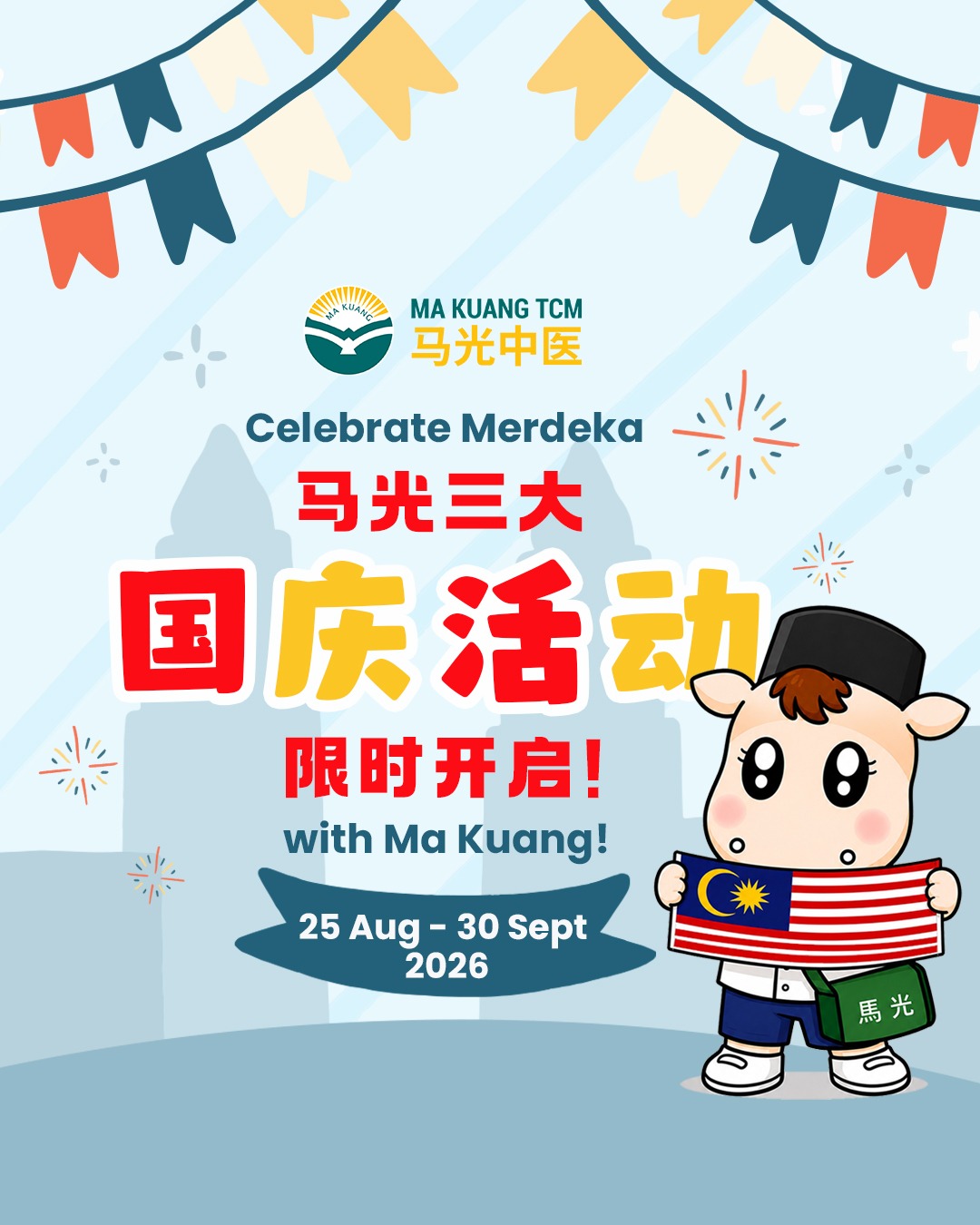
Do you still remember how to sing the national anthem? 😝 Sing or recite the first two lines of “Negaraku” to show your patriotic spirit and enjoy exclusive Merdeka deals at Ma Kuang! 🎶🥳 🎉 Ma Kuang’s 3 Merdeka Specials Are Here for a Limited Time! 🎉 Celebrate Merdeka with Ma Kuang TCM! 📅 Promotion […]
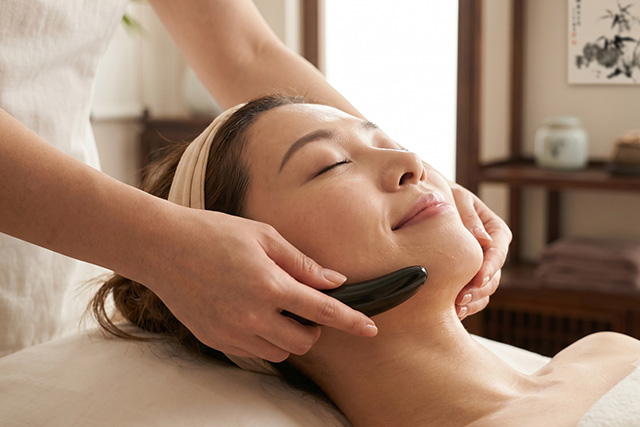
What is the facial Bojin therapy treatment that is gaining popularity among women in Johor Bahru? Discover how this TCM Bojin therapy improves circulation, firms the skin, and relieves facial fatigue from the inside out. Key Takeaways 🚨 Bojin Therapy Is More Than Beauty: Facial Bojin therapy works through TCM meridian principles to improve […]

Is your child constantly dealing with a blocked nose, runny nose, or skin that itches and flares up again and again? Learn how TCM in Johor Bahru helps improve children’s constitution to reduce recurring rhinitis and eczema, supporting healthier growth from the inside out. Key Takeaways 🚨 Constitutional Treatment Is Key: TCM does not […]
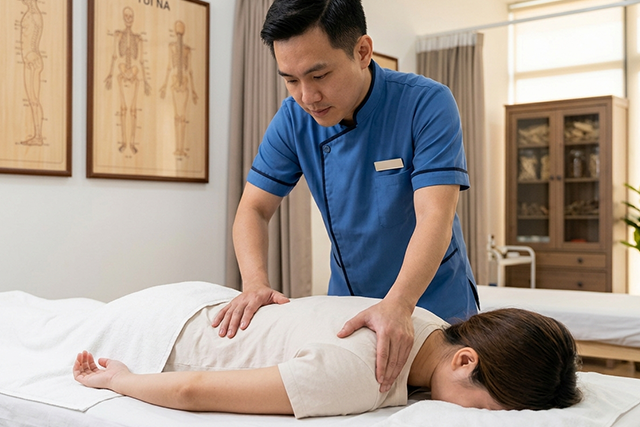
What is the difference between Tuina massage and bone-setting? Understand the key differences between these two TCM treatments at Ma Kuang TCM in Johor Bahru and how to choose the right option for your condition. Key Takeaways 🚨 Tuina Massage: Targets tight muscles and fatigue through kneading and pressing techniques to relax soft tissue. 🚨 […]
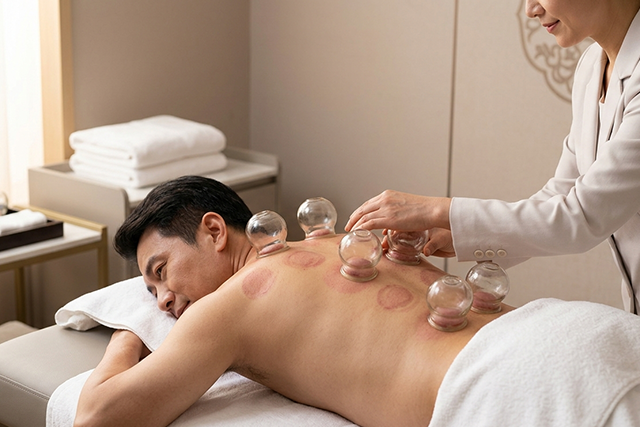
Cupping therapy relieves muscle tension from office work, sports, and daily stress. Learn how it works with Ma Kuang TCM in Johor Bahru. Key Takeaways Cupping helps reduce muscle tightness in your neck, shoulders, and back within one session. The suction improves blood flow to painful areas, helping your body heal faster. Round cups are […]

Can Traditional Chinese Medicine really help you lose weight? Discover how TCM weight management in Johor Bahru works, who it suits, what treatments are involved, and what results to expect. Key Takeaways 🚨 Root Cause Approach: TCM weight management works by improving your body’s constitution and metabolism so that weight loss happens naturally. 🚨 Multiple […]

Sitting at a desk all day causing shoulder, neck, and back pain? Discover how Tuina massage in Johor Bahru helps office workers relieve fatigue, ease pain, and restore energy for work. Key Takeaways 🚨 Office Pain Is Common: Long hours of sitting lead to stiff shoulders, neck tension, lower back pain, and headaches. 🚨 Tuina […]

Women in Johor Bahru (JB) commonly face issues like irregular periods, postpartum weakness, and chronic fatigue. Discover why so many women in Johor Bahru (JB) turn to Traditional Chinese Medicine (TCM) for treatment, and how TCM in Johor Bahru (JB) helps women restore their health and rebalance their bodies. Key Takeaways 🚨 Menstrual Issues: TCM […]

Key Highlights 🚨Headaches & Migraines: Traditional Chinese Medicine (TCM) is effective in regulating recurrent headaches, especially tension-type headaches and migraines. 🚨Insomnia & Sleep Problems: Acupuncture and herbal medicine can help improve difficulty falling asleep, light sleep, and frequent dreaming. 🚨Menstrual Pain & Irregular Periods: TCM specializes in regulating women’s menstrual health, relieving menstrual cramps and […]

Seasonal Acupoint Patch Therapy patch application season is approaching! To help patients plan ahead, enjoy smoother appointment scheduling, and enhance the in-clinic experience, Ma Kuang TCM is launching a Seasonal Acupoint Patch Therapy Package with Early Bird Offers.This promotion is available to both new and existing customers for a limited time only. Promotion […]

Celebrate the year-end with health rewards! Ma Kuang TCM at Bukit Indah and Sutera Mall branches is offering exciting promotions for you and your family. . 💥Promotion Period 📅 5 December 2025 – 15 January 2026 📍 Bukit Indah & Sutera Mall only . 💥Referral Rewards – Refer a new customer: 20 points (RM […]

Traditional Chinese Medicine has been a cornerstone of healthcare in Johor Bahru for decades, offering holistic approaches to wellness that complement modern medical practices. Whether you’re dealing with chronic pain, seeking postpartum care, or simply wanting to improve your overall well-being, finding the right TCM clinic makes all the difference. The TCM clinics in Johor […]

—— September 9, 2025 —— Ma Kuang TCM is proud to announce the grand opening of its second branch in Malaysia, the Bukit Indah Flagship Branch, on September 9, 2025. The grand opening ceremony was successfully held in the presence of distinguished guests, partners, the Singapore Ma Kuang team, media representatives, and friends. The […]

We are thrilled to announce that Ma Kuang TCM Bukit Indah will be officially opening its doors on September 9, 2025! This new branch will become the largest and most well-equipped TCM clinic in the Johor Bahru region, bringing comprehensive traditional Chinese medicine services closer to the community. Modern Facilities with […]

Hey Malaysia! It’s almost time to celebrate our 68th National Day, and Ma Kuang TCM is super excited to join the party with some fantastic promotions! From August 1st to September 16th, 2025, you can snag up to 27% off a bunch of our popular treatments. Get ready to enjoy awesome savings on acupuncture and […]

Ma Kuang TCM @Sutera Mall Exclusive First Trial Promo: Experience Wellness from Just RM98! Are you constantly battling aches and fatigue? Does your complexion look dull and puffy, leaving you feeling low on energy? It’s time to pamper yourself with Ma Kuang TCM @Sutera Mall’s incredible first trial offers! Experience the benefits of natural, non-invasive […]

Staying active is great for your health, but it can sometimes lead to unwanted injuries. Whether you’re a regular gym-goer, a weekend jogger, or play sports casually, you’re likely to experience muscle aches or joint problems at some point. Thankfully, Sports injury TCM offers a natural and holistic approach to healing. From a TCM for […]

Acupuncture, a time-honored practice in Traditional Chinese Medicine (TCM), is garnering significant interest in Malaysia. Increasingly, people are turning to acupuncture for pain relief, improved mental clarity, and overall well-being. Whether you’re seeking a natural way to manage stress or relief from chronic pain, acupuncture treatment in Malaysia offers an effective and holistic solution. In […]

Johor Bahru, Malaysia – April 30, 2024 – It was a momentous day as Ma Kuang TCM officially opened its doors at Sutera Mall, marking a significant milestone as the brand’s first venture into Malaysia. The journey from the decision to expand into Malaysia late last year to today’s grand opening has been a rapid […]