Hotline: +6011-6287 8580



Hotline: +6011-6287 8580





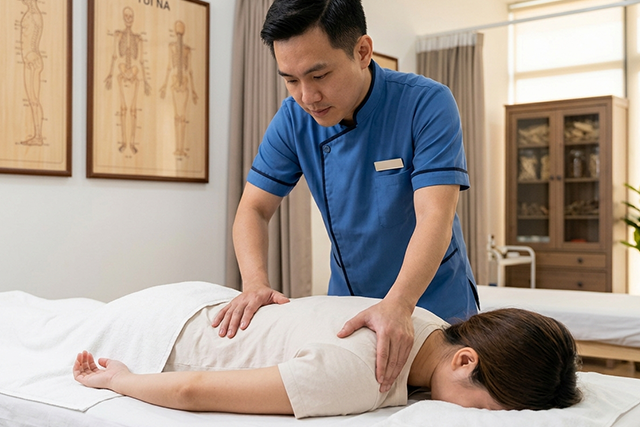
What is the difference between Tuina massage and bone-setting? Understand the key differences between these two TCM treatments at Ma Kuang TCM in Johor Bahru and how to choose the right option for your condition.
🚨 Tuina Massage: Targets tight muscles and fatigue through kneading and pressing techniques to relax soft tissue.
🚨 Bone-Setting: Addresses joint misalignment and skeletal imbalance through precise repositioning techniques.
🚨 How to Choose: Muscle issues call for Tuina massage; joint and skeletal issues call for bone-setting. When in doubt, let a qualified therapist assess your condition.
🚨 Often Combined: In many cases, both methods are used together for more comprehensive results.
You’ve decided to seek Tuina treatment for your shoulder or neck pain, only to find that some clinics offer “Tuina massage” while others offer “Tuina bone-setting.” What is the difference, and does it matter which one you choose?
Many patients in Johor Bahru assume that Tuina simply means a relaxing massage. In reality, Tuina covers different types of treatment that target very different problems. Choosing the wrong one can reduce treatment effectiveness and may even delay your recovery.
This article explains the difference between Tuina massage and bone-setting in plain terms, what each one is suited for, how to make the right choice, and how to care for your body between sessions.
Tuina massage uses techniques such as kneading, pressing, rubbing, and grasping to work on the muscles and soft tissue. The goal is to relax muscles, improve blood circulation, and relieve fatigue and pain. This is the most familiar form of Tuina treatment, and it primarily addresses muscle-related concerns.
The techniques used in Tuina massage are generally gentle and adaptable. A therapist uses the palms, fingers, and elbows to apply pressure, knead, and glide across the muscles. The intensity can be adjusted according to your comfort level, ranging from light and soothing to firm and deep. Most people find the experience deeply relaxing, and some even fall asleep during treatment.
Tuina massage is well suited for muscle tension, stiff shoulders and neck, lower back aching, accumulated fatigue, and physical discomfort caused by stress. It is particularly beneficial for office workers, those who sit for long hours, and anyone experiencing post-exercise muscle soreness. If your main concern is that your muscles feel tight, heavy, or persistently sore, Tuina massage is likely what you need.
The benefits of Tuina massage extend beyond immediate relief. Regular sessions improve circulation, prevent muscles from stiffening over time, reduce stress, and support better sleep quality. Many office workers in Johor Bahru make Tuina massage a weekly or monthly habit to keep their bodies in good condition.
Bone-setting is a TCM technique that uses precise, targeted movements to realign joints and skeletal structures that have shifted out of their correct position. Known in Chinese medicine as “zheng gu”, it primarily addresses skeletal and joint-related conditions such as joint misalignment, spinal deviation, and pelvic tilt.
The techniques used in bone-setting are more precise and purposeful than those in Tuina massage. The therapist first assesses the position of the joints and bones to identify what is out of alignment. A swift, accurate movement is then applied to reposition the affected area. You may hear a faint clicking sound during treatment. This is simply the joint returning to its correct position and is nothing to be concerned about.
Bone-setting is appropriate for conditions such as a sudden stiff neck where you cannot turn your head, an acute lower back strain, sprained joints, leg length discrepancy, pelvic tilt, and discomfort related to mild scoliosis. If your issue is a feeling of something being “locked”, restricted joint movement, or noticeably poor structural alignment, bone-setting is likely the more suitable treatment.
Bone-setting requires specialized training and should only be performed by a qualified practitioner. Not every Tuina therapist is trained in bone-setting. All Tuina therapists at Ma Kuang TCM hold professional licenses and are trained to perform bone-setting safely and effectively. Seeking bone-setting from an uncertified provider carries a real risk of injury.
The fundamental difference is what each treatment targets. Tuina massage works on muscles and soft tissue, while bone-setting addresses joints and skeletal alignment. A simple way to remember this is: muscle pain calls for massage, structural misalignment calls for bone-setting. In practice, however, many conditions involve both.
Tuina massage is gentler and focused on releasing tension within the muscles. Sessions typically last between 20 and 60 minutes, and the overall experience is relaxing. Bone-setting is more precise and structured around restoring joint position. Sessions are generally shorter, around 15 to 30 minutes, and you may feel an immediate sense of release as the joint is repositioned.
It is also worth understanding that skeletal and muscular problems are often interconnected. A misaligned spine, for example, causes the surrounding muscles to tighten in compensation. Equally, chronically tight muscles can pull on the skeletal structure over time. For this reason, a professional therapist will often combine both approaches: bone-setting first to restore correct alignment, followed by Tuina massage to release the muscle tension that has built up around it. This combined approach tends to produce better and longer-lasting results.
If your condition is ongoing, gradual, and primarily feels like muscular fatigue or tightness, Tuina massage is likely the right starting point. This includes chronic shoulder and neck stiffness, office-related fatigue, stress-induced physical tension, post-exercise soreness, difficulty sleeping, and routine body maintenance. These are soft tissue concerns that respond well to massage-based treatment.
If your condition comes on suddenly or involves a feeling of structural restriction, bone-setting is more appropriate. This includes a sudden stiff neck where movement is severely limited, an acute lower back strain, a sprained ankle, a joint that feels as though it has “shifted,” long-term postural misalignment affecting the skeleton, or a diagnosed condition such as mild scoliosis or pelvic tilt.
If you are unsure which treatment applies to your situation, simply describe your symptoms when booking and our team will advise accordingly. Your therapist will assess your condition at the start of the session and recommend the most suitable approach. In some cases, the recommendation will be to begin with bone-setting and follow with massage, giving you the benefit of both in a single visit.
It is also important to note that bone-setting is not appropriate in all circumstances. Severe osteoporosis, unhealed fractures, and acute inflammation are all contraindications. Extra caution is also required for pregnant women, children, and elderly patients. This is precisely why a proper assessment by a trained professional matters before any treatment begins.
Tuina treatment addresses the existing problem, but if the habits that caused it remain unchanged, the pain will return. The most effective approach combines professional treatment with consistent daily care.
Posture correction is the most impactful change for office workers. Check your sitting position, monitor height, and chair support to ensure they are correctly set up. Stand up and move for five minutes every 45 minutes. Varying your position regularly throughout the day gives your muscles the rest they need between periods of sustained effort.
Moderate exercise supports long-term recovery. Brisk walking, swimming, yoga, or tai chi for 30 minutes a day strengthens the muscles, improves flexibility, and relieves pressure on the joints. Strong supporting muscles reduce the load on the skeletal structure, which helps prevent both muscular and joint problems from recurring.
Everyday movement habits matter more than most people realize. When lifting heavy objects, bend at the knees and use your legs rather than straining through the lower back. Keep your pillow at a comfortable height, as both too high and too low will place strain on the cervical spine. When using your phone for extended periods, raise the screen to eye level rather than looking down. Small adjustments like these accumulate into significant differences over time.
Preventive maintenance is also worth building into your routine. Do not wait until pain becomes severe before seeking treatment. Regular Tuina massage sessions help keep muscles supple and joints mobile, functioning like scheduled servicing for the body. Many people in Johor Bahru receive one to two sessions per month as standard maintenance, which helps them sustain better physical condition and work performance.
If pain persists or worsens, do not delay seeking care. A minor joint misalignment left unaddressed can cause surrounding muscles to compensate over time, making the condition progressively more complex to treat. Early intervention consistently leads to faster and more complete recovery.
Tuina massage and bone-setting are two distinct treatment approaches, each suited to different types of problems. Tuina massage addresses soft tissue and muscular concerns, while bone-setting restores correct joint and skeletal alignment. In many cases, the two are used together for the most comprehensive outcome.
The most important step is to consult a qualified therapist who can assess your condition and recommend the most appropriate course of treatment. Paired with posture improvement, regular movement, and preventive maintenance, professional Tuina treatment provides a solid foundation for lasting physical health.
If you are dealing with shoulder, neck, or back pain, or any joint-related discomfort, book an appointment at Ma Kuang TCM. Our qualified therapists are equipped to provide both Tuina massage and bone-setting, and will tailor treatment to your specific needs so you can recover fully and maintain your health for the long term.
A typical session lasts between 20 and 60 minutes depending on your needs and the areas being treated. Shoulder and neck treatment usually takes 20 to 30 minutes, while a full-body session may take up to 60 minutes. Your first visit may run slightly longer as the therapist assesses your condition. Fee charges vary by duration and treatment area. Ask when booking for pricing details. Ma Kuang TCM also runs promotions throughout the year, so follow our Facebook page for the latest offers.
Tuina treatment should be avoided or approached with caution in certain situations. If you have an acute sprain or fracture, wait until your doctor confirms the condition is stable before proceeding. Massage cannot be applied to areas with open wounds, ulcers, or burns. People with severe heart conditions, uncontrolled high blood pressure, or bleeding tendencies should consult their doctor beforehand. Pregnant women can receive Tuina massage but must inform the therapist, who will adjust the treatment accordingly. Always disclose any chronic conditions or current medications when booking. Safety is always the first consideration.
Drink a glass of warm water after your session to help your body clear metabolic waste. Avoid showering for at least one hour following treatment. Some mild muscle soreness over the next day or two is normal and will ease with rest. If soreness persists beyond three days, or if you experience dizziness or nausea, contact your therapist promptly.
Yes. Simply let us know your preference when booking and we will do our best to accommodate you. Many female patients feel more comfortable with a female therapist, and this is completely understandable. You are also welcome to review therapist profiles and request a specific therapist at the time of booking.
Contact your preferred Ma Kuang TCM branch directly to make an appointment. Walk-ins are welcome, but availability depends on the therapist’s schedule and appointment holders are given priority. If you have any special circumstances or specific requests, please mention them when booking. For your first visit, please arrive ten minutes early to complete your patient registration form.


Ma Kuang TCM Joins the Integrated Health Plans – IHP TCM Panel Clinic Network in Johor Bahru Effective 1 October 2026, Ma Kuang TCM Malaysia officially join the Integrated Health Plans – IHP healthcare network as a IHP TCM panel clinic. Corporate employees with eligible IHP TCM benefits may visit our three Ma Kuang TCM […]

Ma Kuang TCM Joins the Mednefits TCM Panel Clinic Network in Johor Bahru Effective 1 September 2026, Ma Kuang TCM Malaysia will officially join the Mednefits healthcare network as a Mednefits TCM panel clinic. Corporate employees with eligible Mednefits TCM benefits may visit our three Ma Kuang TCM clinics in Johor Bahru for professional Traditional […]

Do you still remember how to sing the national anthem? 😝 Sing or recite the first two lines of “Negaraku” to show your patriotic spirit and enjoy exclusive Merdeka deals at Ma Kuang! 🎶🥳 🎉 Ma Kuang’s 3 Merdeka Specials Are Here for a Limited Time! 🎉 Celebrate Merdeka with Ma Kuang TCM! 📅 Promotion […]
What is the facial Bojin therapy treatment that is gaining popularity among women in Johor Bahru? Discover how this TCM Bojin therapy improves circulation, firms the skin, and relieves facial fatigue from the inside out. Key Takeaways 🚨 Bojin Therapy Is More Than Beauty: Facial Bojin therapy works through TCM meridian principles to improve […]

Is your child constantly dealing with a blocked nose, runny nose, or skin that itches and flares up again and again? Learn how TCM in Johor Bahru helps improve children’s constitution to reduce recurring rhinitis and eczema, supporting healthier growth from the inside out. Key Takeaways 🚨 Constitutional Treatment Is Key: TCM does not […]
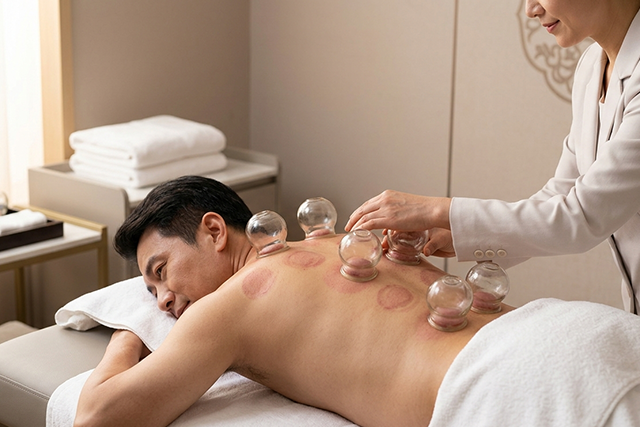
Cupping therapy relieves muscle tension from office work, sports, and daily stress. Learn how it works with Ma Kuang TCM in Johor Bahru. Key Takeaways Cupping helps reduce muscle tightness in your neck, shoulders, and back within one session. The suction improves blood flow to painful areas, helping your body heal faster. Round cups are […]
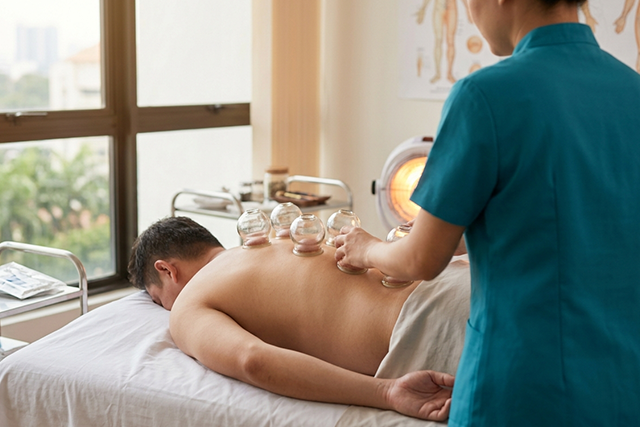
Curious about TCM but not sure where to start? Discover the five most popular TCM treatments in Johor Bahru: cupping, Gua Sha, Tuina, acupuncture, and TDP lamp therapy, and find out which one suits you best. Key Takeaways 🚨 Cupping: Uses suction to promote blood circulation, ideal for muscle aches and those with excess internal […]

Can Traditional Chinese Medicine really help you lose weight? Discover how TCM weight management in Johor Bahru works, who it suits, what treatments are involved, and what results to expect. Key Takeaways 🚨 Root Cause Approach: TCM weight management works by improving your body’s constitution and metabolism so that weight loss happens naturally. 🚨 Multiple […]

Sitting at a desk all day causing shoulder, neck, and back pain? Discover how Tuina massage in Johor Bahru helps office workers relieve fatigue, ease pain, and restore energy for work. Key Takeaways 🚨 Office Pain Is Common: Long hours of sitting lead to stiff shoulders, neck tension, lower back pain, and headaches. 🚨 Tuina […]

Women in Johor Bahru (JB) commonly face issues like irregular periods, postpartum weakness, and chronic fatigue. Discover why so many women in Johor Bahru (JB) turn to Traditional Chinese Medicine (TCM) for treatment, and how TCM in Johor Bahru (JB) helps women restore their health and rebalance their bodies. Key Takeaways 🚨 Menstrual Issues: TCM […]

Key Highlights 🚨Headaches & Migraines: Traditional Chinese Medicine (TCM) is effective in regulating recurrent headaches, especially tension-type headaches and migraines. 🚨Insomnia & Sleep Problems: Acupuncture and herbal medicine can help improve difficulty falling asleep, light sleep, and frequent dreaming. 🚨Menstrual Pain & Irregular Periods: TCM specializes in regulating women’s menstrual health, relieving menstrual cramps and […]

Seasonal Acupoint Patch Therapy patch application season is approaching! To help patients plan ahead, enjoy smoother appointment scheduling, and enhance the in-clinic experience, Ma Kuang TCM is launching a Seasonal Acupoint Patch Therapy Package with Early Bird Offers.This promotion is available to both new and existing customers for a limited time only. Promotion […]

Celebrate the year-end with health rewards! Ma Kuang TCM at Bukit Indah and Sutera Mall branches is offering exciting promotions for you and your family. . 💥Promotion Period 📅 5 December 2025 – 15 January 2026 📍 Bukit Indah & Sutera Mall only . 💥Referral Rewards – Refer a new customer: 20 points (RM […]

Traditional Chinese Medicine has been a cornerstone of healthcare in Johor Bahru for decades, offering holistic approaches to wellness that complement modern medical practices. Whether you’re dealing with chronic pain, seeking postpartum care, or simply wanting to improve your overall well-being, finding the right TCM clinic makes all the difference. The TCM clinics in Johor […]

—— September 9, 2025 —— Ma Kuang TCM is proud to announce the grand opening of its second branch in Malaysia, the Bukit Indah Flagship Branch, on September 9, 2025. The grand opening ceremony was successfully held in the presence of distinguished guests, partners, the Singapore Ma Kuang team, media representatives, and friends. The […]

We are thrilled to announce that Ma Kuang TCM Bukit Indah will be officially opening its doors on September 9, 2025! This new branch will become the largest and most well-equipped TCM clinic in the Johor Bahru region, bringing comprehensive traditional Chinese medicine services closer to the community. Modern Facilities with […]

Hey Malaysia! It’s almost time to celebrate our 68th National Day, and Ma Kuang TCM is super excited to join the party with some fantastic promotions! From August 1st to September 16th, 2025, you can snag up to 27% off a bunch of our popular treatments. Get ready to enjoy awesome savings on acupuncture and […]

Ma Kuang TCM @Sutera Mall Exclusive First Trial Promo: Experience Wellness from Just RM98! Are you constantly battling aches and fatigue? Does your complexion look dull and puffy, leaving you feeling low on energy? It’s time to pamper yourself with Ma Kuang TCM @Sutera Mall’s incredible first trial offers! Experience the benefits of natural, non-invasive […]

Staying active is great for your health, but it can sometimes lead to unwanted injuries. Whether you’re a regular gym-goer, a weekend jogger, or play sports casually, you’re likely to experience muscle aches or joint problems at some point. Thankfully, Sports injury TCM offers a natural and holistic approach to healing. From a TCM for […]

Acupuncture, a time-honored practice in Traditional Chinese Medicine (TCM), is garnering significant interest in Malaysia. Increasingly, people are turning to acupuncture for pain relief, improved mental clarity, and overall well-being. Whether you’re seeking a natural way to manage stress or relief from chronic pain, acupuncture treatment in Malaysia offers an effective and holistic solution. In […]

Johor Bahru, Malaysia – April 30, 2024 – It was a momentous day as Ma Kuang TCM officially opened its doors at Sutera Mall, marking a significant milestone as the brand’s first venture into Malaysia. The journey from the decision to expand into Malaysia late last year to today’s grand opening has been a rapid […]